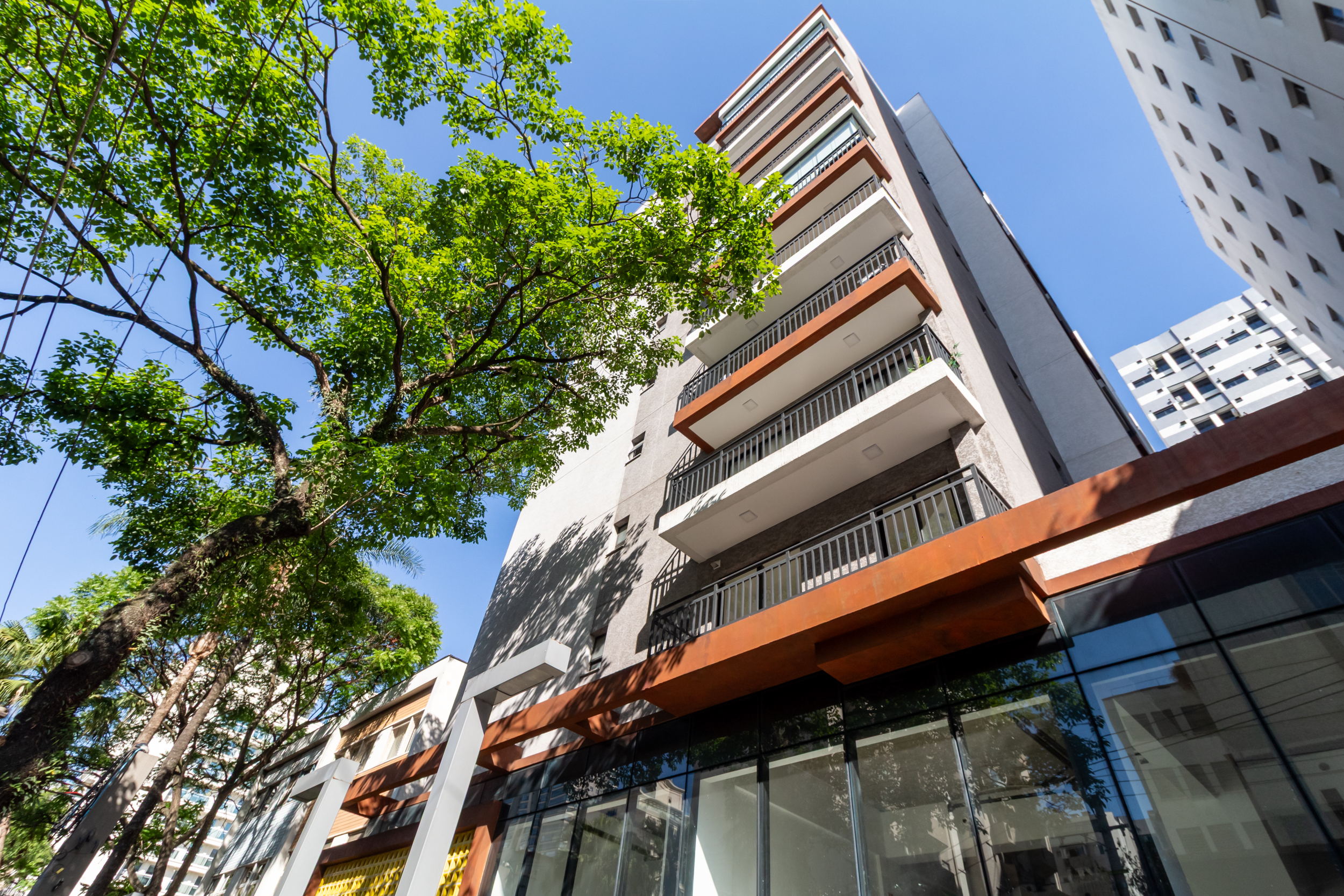
Landing a recurring contract with a local brokerage changes a photographer's business: instead of hunting one client at a time, the calendar gets a fixed base of shoots every month. In practice it takes three moves, in this order: (1) map the brokerages in your area by volume of active listings, not by brand size; (2) show up with an operating proposal — turnaround, delivery standard, volume pricing — instead of a generic portfolio; and (3) keep the contract through consistency, because a missed deadline or a drop in quality in the first month cancels the recurrence. Below: the full step-by-step, what weighs in the brokerage's decision and how Piperz replaces a good share of that manual prospecting with demand that arrives already booked.
Why is a recurring contract worth more than a one-off client?
The math is about predictability, not unit price. A one-off client — the homeowner selling their own house, for example — generates a single shoot, with no guarantee it will happen again. A brokerage with an active portfolio generates 5 to 40 shoots a month, every month, in the same area where the photographer already drives. That lowers the travel cost per shoot, eliminates the time spent constantly prospecting and lets you negotiate a volume price that still earns more overall than chasing new clients every week. The brokerage gains from the recurrence too: a single trusted photographer, familiar with the image standard listing sites demand, is faster to book and easier to invoice than a rotating group of freelancers who change every month. It is exactly the predictability Piperz builds on the demand side, by concentrating requests from the brokerages registered on its platform.
How do you map which brokerages to prospect first?
Not by the size of the office — by the volume of listings turning over in the portfolio. A small brokerage with high rental turnover generates more recurring photography demand than a large developer that launches a few projects a year. Piperz distributes demand from registered brokerages to homologated photographers by region, so thinking by area is also how you work inside a network. The mapping route:
- List the active brokerages in your working area — the neighborhood, city or metro area where you can already show up the next day with no extra travel cost.
- Check their listing volume on listing sites: a large, moving portfolio is a sign of real recurring demand.
- Look at the quality of the current photos in those listings — a portfolio with phone photos, poorly framed or dark, is the one that converts best, because the pain is already visible to whoever makes the decision.
- Prioritize those who have already tried a freelance photographer and switched more than once — a history of switching signals dissatisfaction with turnaround or standards, and it is the easiest door for a fixed operating proposal.
- Confirm who you need to talk to — an independent agent decides only about their own listings; in a brokerage with structure, it is usually marketing or management that signs with a recurring vendor.
What should you offer to become the go-to vendor and not "just another photographer"?
Brokerages get offers from freelance photographers all the time — what changes the game is showing up with an operating proposal, not a portfolio. That means spelling out in writing the three things that decide a renewal: a guaranteed turnaround, a consistent image standard across different shoots (same framing, same editing, so the listings do not look like they were shot by different photographers) and a single booking channel, with no back-and-forth messages every time a new property comes in. These are the same three points Piperz offers the brokerages in its network: photo delivery as early as the next business day, a standard brief on every shoot and booking through a single channel. The table sums up what weighs most in the decision of whoever is hiring:
| Criterion | What the brokerage evaluates | How the photographer proves it |
|---|---|---|
| Turnaround | Whether the material is ready in time to publish quickly | A written commitment to next-business-day delivery |
| Visual standard | Whether the photos look like the same "brand" across properties | A portfolio with consistent editing, the same color and framing |
| Ease of booking | Whether they can book without friction when something new comes in | A single channel (form, platform or shared calendar) |
| Volume pricing | Whether the cost drops with scale, not just per individual property | A fixed rate card by monthly volume tier, not one-off quotes |
| Invoicing | Whether the financial process is simple for the back office | A single monthly invoice instead of a receipt per shoot |
How do you price the package so you do not have to prospect every month?
The most common mistake is offering the same one-off price "with a verbal discount" — without formalizing the volume tier, the brokerage sees no real advantage in signing instead of negotiating shoot by shoot. The way to do it is a tiered rate card: the more guaranteed shoots per month, the lower the rate per property, formalized in a contract or a simple agreement. That gives both sides predictability. One point that stalls negotiations: charging travel separately within the area you already serve — that should be built into the fixed price, not show up as a surprise on the first invoice. Before building the rate card, though, you need to know your own floor: what an hour of your time costs, adding up travel, capture, editing and the admin work nobody pays for. Without that number, a volume discount turns into a volume loss — and the warning sign is the month that closes full of work and empty of results. The tiers only work when the lowest price on the card is still above your cost per shoot. It is a calculation worth doing even if you work within a network like Piperz, because it also tells you which areas and hours are worth declaring.
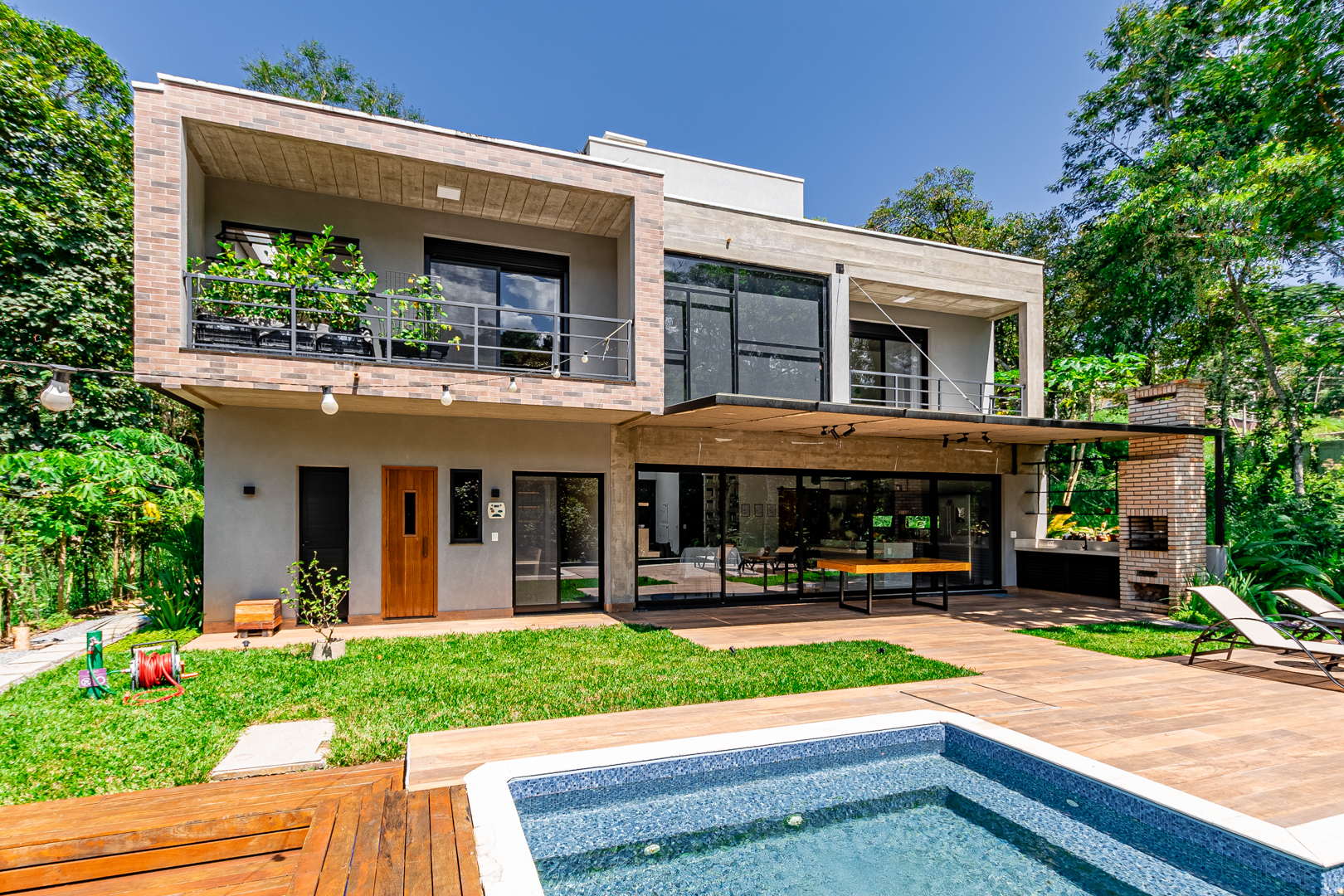
Photographer during a residential shoot
What happens when volume grows beyond what you can handle alone?
It is the point where manual prospecting becomes the bottleneck itself. If the recurring contract works, the brokerage tends to ask for more volume, faster turnaround or coverage in areas the photographer does not reach alone — and sustaining that without a support network means turning down demand or delivering late, the two scenarios that end a contract. That is the difference between prospecting one client at a time and operating inside a network like Piperz: instead of each photographer chasing brokerage after brokerage, Piperz concentrates the demand from brokerages already registered on its platform and distributes the shoots among homologated photographers, by area. The photographer accepts a calendar that is already booked, without negotiating price on every shoot or drawing up their own contract. For those who already have a client base but want stability when demand fluctuates, joining as a partner works as a second source of recurring shoots, complementing direct prospecting. How that calendar gets organized is in how to organize a real estate photographer's schedule.
How do you keep the contract when the next vendor offers a lower price?
A competitor's lower price is the most common threat to a recurring contract — and the defense is not a discount war, it is making a switch of vendor cost more in friction than it saves. That is built with three habits: meet the agreed turnaround without exception (the first missed deadline is the most common trigger for getting a competing quote), keep the visual standard stable even when volume goes up (resist the temptation to speed up and deliver weaker editing), and review the contract rate every 6 to 12 months before the brokerage asks — getting there first with the adjustment, justified by volume or scope, avoids the feeling of an imposed increase. A recurring contract that lasts for years holds up more through delivery consistency than through the price agreed in the first month. On the delivery side, that consistency is what the Piperz software is built to keep, with gallery, approval and invoicing in the same flow — and what a clean handoff looks like is in how to deliver photos to real estate clients.
Frequently asked questions
How long does it take to close the first recurring contract with a brokerage?
It varies by area and by the photographer's track record, but the typical cycle runs from a well-executed first one-off shoot to the operating proposal in 30 to 60 days. The most common trigger is the brokerage asking for the same photographer again, even before any formal proposal exists — recurrence usually starts in practice before it starts on paper.
Should you charge less at first to win the contract?
Charging less without formalizing the volume tier tends to block adjustments later: the "introductory" price becomes the permanent expectation. It is more sustainable to offer the volume tier in the initial proposal, with the discount justified by quantity and not by urgency to close. That way, a later increase does not look like a change in the rules, but like the agreed rate card working as intended.
Does Piperz replace a photographer's direct prospecting?
It does not eliminate it; it complements it. Piperz concentrates demand from brokerages already registered on the platform and distributes it among homologated photographers by area, which reduces the dependence on constant prospecting. Photographers who already have their own client base can keep serving their direct clients in parallel.
How do you know whether a brokerage asking for high volume at a low price is worth it?
Compare the price per shoot with the real cost of travel and editing in that area, and add the value of the time you would no longer spend prospecting new clients. Recurring volume that covers operating costs and fills a calendar that would otherwise sit idle is usually worth it even with a lower unit margin — as long as it does not crowd out better-paid work.
Prospecting brokerage by brokerage works, but it is ongoing work that competes with time for shooting and editing. If you would rather see what demand looks like from the other side, check out the networks that already operate with Piperz. And once the contracts are in place, protecting the payment side is covered in how real estate photographers avoid late payments.
Written by the Piperz Editorial Team
__Piperz__ is a platform dedicated to simplifying the secure delivery of real estate media, connecting photographers and helping brokerages and agents sell faster through professional imagery.