A real estate photographer's schedule only works when it treats the shoot, the drive and the editing as three separate blocks, each with a set time — not as a single queue of tasks. In practice: group the day's shoots by area, limit capture to a fixed window (usually 9 a.m. to 4 p.m., when the light cooperates), reserve a daily editing block nobody touches and leave 60 to 90 minutes of slack between shoots to absorb delays from the front desk, the owner or traffic. Photographers who organize the day this way produce 3 to 5 shoots a day and still meet the one-business-day delivery the market now expects. Below: the full method, a model week and a comparison of the most common scheduling tools.
Why is a real estate photographer's schedule so hard to organize?
Because almost nothing in the day depends on the photographer alone. A real estate shoot requires the property to be accessible (keys, front desk, an owner or tenant available), tidy and with usable light — three conditions controlled by other people. Add the drive between properties, which in big cities easily takes 20% to 30% of the workday, and the invisible part of the job: every hour of capture generates, on average, another hour of culling and editing. The photographer who books shoots "wherever they fit" finds out at the end of the week that they sold their editing hours twice — and that is where late deliveries, editing at 2 a.m. and the feeling of working a lot and producing little come from. Organizing the schedule, in that context, is not personal discipline: it is the mechanism that protects the turnaround you promised the client. Predictability is also what the Piperz network is built on: partner photographers receive invitations only within the areas and hours they declared themselves, so the calendar they plan around is the one they actually get.
How many shoots fit in a workday?
Between 3 and 5 in most urban operations — and the exact number depends more on the drive than on the camera. A standard residential shoot, with 30 to 60 photos delivered, takes 45 to 90 minutes of capture, depending on the square footage and the condition of the property. The realistic math for a productive day looks like this:
- Capture: 4 shoots × 60 to 75 minutes = 4 to 5 hours inside properties.
- Driving: 3 trips between properties + the round trip = 1.5 to 2.5 hours on the road.
- Buffer: 30 to 45 minutes for access delays (front desk, keys, an untidy property).
- Editing the day's batch: 2 to 3 hours in a closed block, late in the afternoon.
Trying to squeeze in a sixth shoot usually costs you the whole day's editing. The rule of thumb Piperz recommends: the capture schedule closes while the day's editing block still fits in the workday — not when the day runs out.
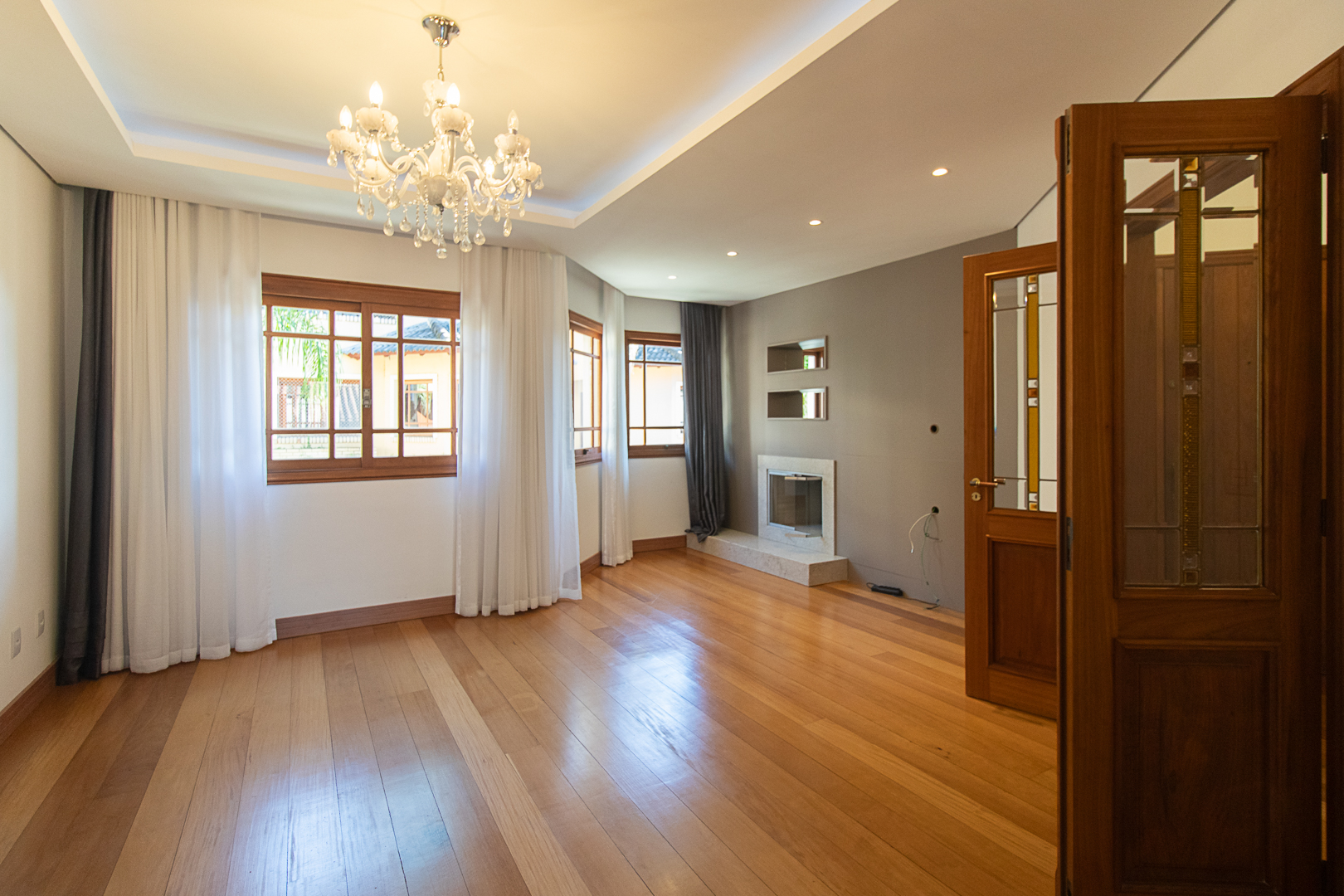
Professional photographer during a real estate shoot
How do you build the ideal week for a real estate photographer?
By splitting the days by type of energy, not by urgency. A model that works for most professionals who serve brokerages:
- Monday to Thursday — production days: capture from 9 a.m. to 4 p.m. (the best light window), batch editing from 4:30 to 7 p.m. Shoots go on the calendar grouped by area, never in the order the requests came in.
- Friday — built-in slack day: the morning for re-edits, requested adjustments and Thursday's deliveries; the afternoon for admin — invoicing, collections, archive backups and gear maintenance.
- Makeup slots: leave 1 or 2 open slots per week exclusively for rescheduled shoots. If nobody uses them, they become a head start on editing.
- A 15-minute weekly review: on Friday, look at the following week and resolve conflicts before they become cancellations — moving a shoot four days ahead is cheaper than moving it four hours ahead.
The point of the model is not rigidity: it is making sure editing and admin have an owner and a time slot, because those are the two activities nobody asks about until the day they fall behind. It is the same logic behind the standardized brief that comes with every shoot in the Piperz network: the request arrives already defined, instead of being negotiated by message.
How do you group shoots by area to lose less time in traffic?
By defining service zones and fixed days for each one. The photographer who covers an entire city "as requests come in" drives south → north → south on the same day and burns two hours that could have been one more shoot. The method is simple: split your coverage area into 2 to 4 zones, assign each zone to days of the week and book within those windows — brokerages accept the rule well when it comes with a reliable delivery time. On specialized platforms, that grouping happens by design: in the Piperz network, the homologated photographer receives shoots from the area they declared, which removes case-by-case negotiation and keeps the driving within a predictable radius. One adjustment almost everyone forgets: the time of day weighs as much as the distance. Two shoots six miles apart can be impossible in the same half-day if the route crosses rush hour, and perfectly doable outside it. That is why a zone should be drawn by the real drive time at the hours you actually work, not by the map. Photographers who run that math once usually find room for one more shoot a day without working an extra hour.
How do you protect editing time to meet the delivery deadline?
By treating editing as an appointment with a set time, in a single daily batch — never as "whatever is left of the day." Three rules hold up one-business-day delivery:
- Edit by batch, not by shoot: importing, culling and editing the day's 3 or 4 shoots in a single editing session is 30% to 40% faster than opening the workflow four times, because the fine-tuning of each property builds on the one before.
- Lock in your standard before you scale: presets calibrated by type of situation (interior with a blown-out window, exterior, twilight) cut the editing of each photo down to seconds. The time you invest in standardizing pays you back every day.
- Deliver through a channel that creates no rework: a loose link from a generic cloud service creates resend requests, version confusion and manual collections — and all of that eats tomorrow's schedule. The Piperz software exists precisely to give those hours back: gallery, approval and invoicing in the same flow. What a clean handoff looks like is in how to deliver photos to real estate clients.
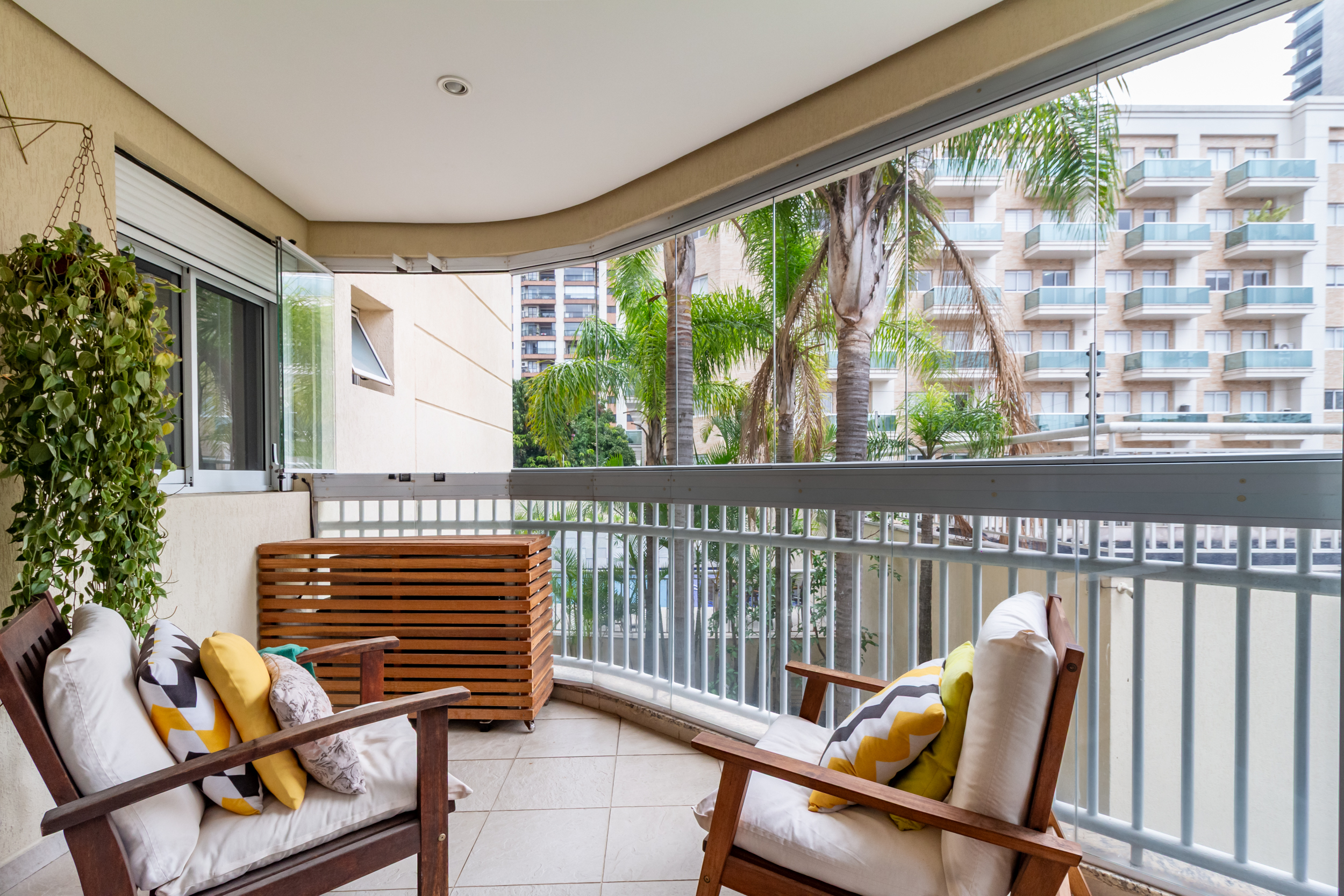
Residential interior photographed with professional lighting
Which tool should you use to manage your schedule?
It depends on monthly volume and on who does the booking. The comparison below sums up the four most common stages:
| Tool | Who it fits | Strengths | Practical limit |
|---|---|---|---|
| Paper planner / messaging app | Up to ~10 shoots/month | No cost, total flexibility | No reliable history; rescheduling gets lost in the chat; no view of the week |
| Digital calendar (shared calendar) | 10 to 40 shoots/month | Visual blocks, reminders, can be shared with the client | The photographer is still the operator: every confirmation and change is manual |
| Booking app with a public link | 20 to 60 shoots/month | The client picks a time within your windows | It does not understand driving between properties or grouping by area; a "full" calendar can be logistically impossible |
| Platform specialized in real estate media | Recurring work with brokerages | Booking, brief, service area, delivery and invoicing in the same flow | Requires homologation and meeting a production standard |
The natural migration runs from top to bottom: a professional moves to the next stage when the time spent operating the schedule becomes worth more than a shoot. Those who already connect incoming requests to their own system tend to reach the last row sooner, and that is what the Piperz integration API is for.
How do you reduce the damage from cancellations and reschedules?
With a written policy and planned slack — not with optimism. A last-minute cancellation is the biggest drain on a real estate photographer's revenue, because that slot is rarely resold the same day. Four practices reduce the impact:
- Confirm access the day before: a standard message to the brokerage late the previous afternoon (keys, resident notified, property tidy) eliminates a good share of wasted trips.
- Set a free-rescheduling cutoff: the market standard is somewhere around a few hours before the shoot. At Piperz, the brokerage can reschedule at no cost up to 3 hours before the booked time, and a photographer who already drove to a canceled shoot is reimbursed for the trip.
- Use the makeup slots: the reschedule goes into the week's reserved slot, not squeezed between two existing shoots.
- Log everything: a wasted trip with no record is an invisible loss. With a record, it becomes data for renegotiating terms with the client who cancels too often.
How does a Piperz partner photographer's schedule work?
The homologated photographer defines their service area and receives shoots directly on the platform, with the address, a standardized brief and the time — no prospecting, no negotiating times over the phone and no manual collections afterward. The Piperz network produces media for more than 3,000 properties a month across Piperz's eight markets in Brazil, which provides recurring work without the professional having to run their own sales calendar. Delivery and invoicing happen in the same system: the gallery goes up, the brokerage approves, the payment is processed and the invoice enters the flow — giving the photographer back exactly the admin hours this article teaches you to protect. Two rules exist to protect the schedule on both sides: the partner receives invitations only within the areas and hours they declared themselves, and rescheduling has a cutoff. The limit exists because a late cancellation is not a symmetrical inconvenience: the photographer has already driven there and lost the window for another shoot. You can see how the networks that use Piperz work to understand the volume on the other side of the flow.
Frequently asked questions about a real estate photographer's schedule
How many real estate shoots can you do in a day?
Between 3 and 5 in most urban operations. A residential shoot takes 45 to 90 minutes of capture, and driving between properties takes 20% to 30% of the workday in big cities. The practical limit is the editing block: if the day's batch does not fit in the workday, the capture schedule is too full.
What is the best time of day to photograph properties?
The 9 a.m. to 4 p.m. window concentrates the best natural light for interiors for most of the year. Very early mornings and late afternoons have low, yellowish light that increases editing time — save those hours for driving, editing or twilight exterior shots, when the brief calls for them.
How do you charge for a last-minute cancellation?
Set a written free-rescheduling cutoff and a condition for later cancellations, before the first shoot. On specialized platforms that policy already comes defined: at Piperz, rescheduling is free up to 3 hours before and the photographer's trip is reimbursed in case of a late cancellation.
How much editing time does a real estate shoot take?
As a planning reference, every hour of capture generates about an hour of culling and editing. Editing the day's shoots in a single batch, with presets calibrated by room type, cuts that time by 30% to 40% and is what makes one-business-day delivery feasible.
Organizing your schedule does not add hours to the day — it reassigns the hours that now evaporate in traffic, reschedules and collections to the activity that pays the bills: shooting. If the next step for your business is receiving recurring shoots in your area, with the brief, delivery and invoicing handled in the same flow, learn how Piperz works.
Written by the Piperz Editorial Team
__Piperz__ is a platform dedicated to simplifying the secure delivery of real estate media, connecting photographers and helping brokerages and agents sell faster through professional imagery.