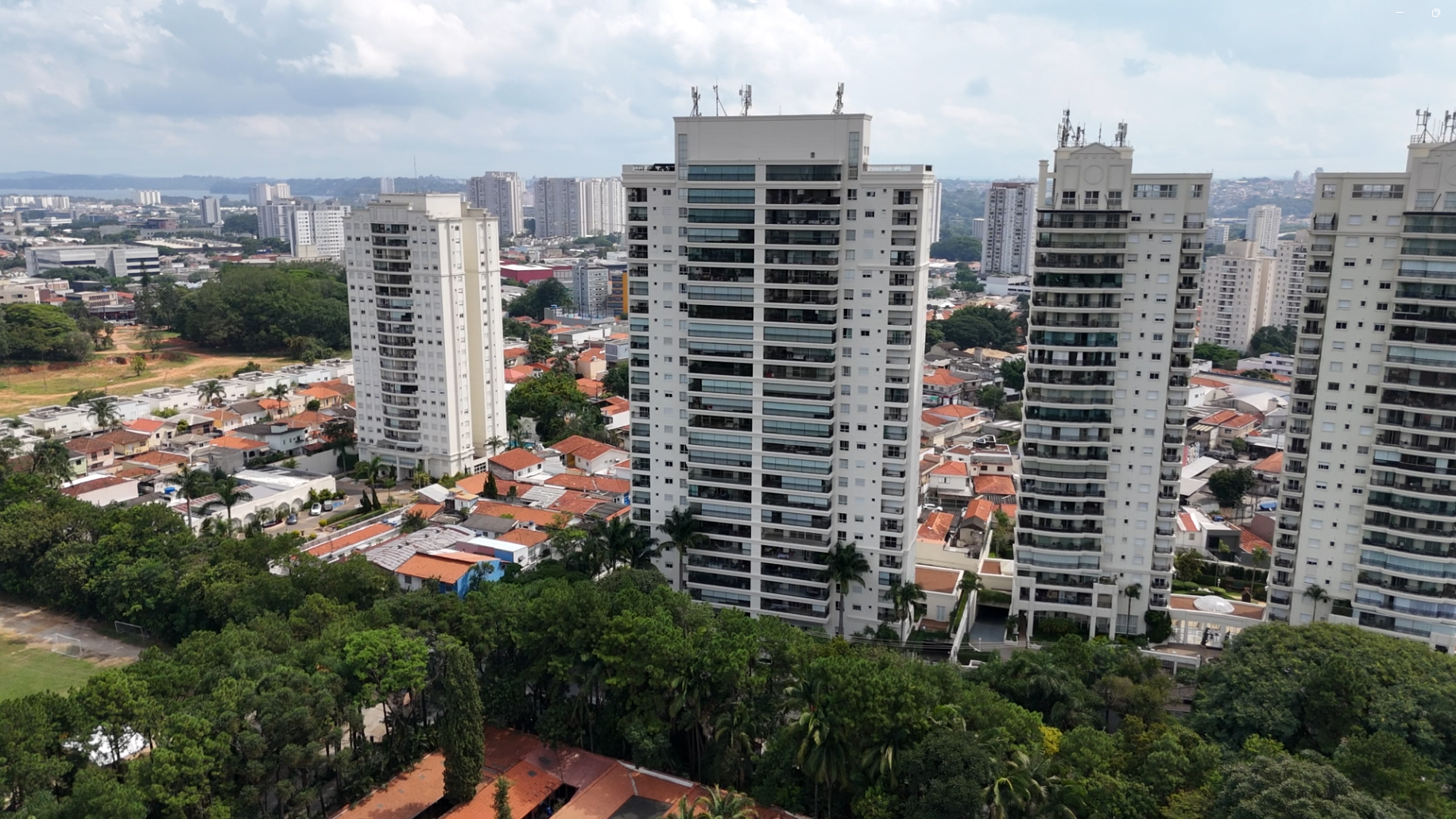
Every brokerage lives with two sets of photo rules. The first comes from outside: your MLS and each listing site publish what a listing photo may and may not contain. The second should come from inside: the standard that makes your listings look like they came from one company, no matter which agent signed them or which photographer shot them. Most brokerages know the first set exists and never write the second. This guide does not list any MLS's rules, because they differ from one MLS to the next and they change. It shows how to read the rules that apply to you, what a brokerage photo standard should contain on top of them, and how to make every photographer follow it.
What are MLS listing photo requirements?
They are the photo rules your MLS publishes for the listings its members upload, and they can differ from one MLS to another. That is the first thing to get right: a list of "MLS photo guidelines" copied from a blog post may describe somebody else's MLS, or an older version of yours. The only reliable source is the current document from the MLS you belong to, and the same goes for each listing site that publishes its own policy. At Piperz, we recommend keeping a link to each of those documents inside your brokerage photo standard, with the date someone last checked it, so the team always reads the rule at the source. We also treat one version as the safe default for any listing site: a clean image, with no logo, phone number or watermark on it. That is why the Piperz delivery always includes a clean version, the one listing sites accept, and keeps the brokerage's watermark as an optional, separate version for its own website and social media. How each version reaches its channel is in which photo file to use on each channel.
What should you check in your MLS's photo rules?
Read the document with a short list of questions, so nothing is missed and the answers can go straight into your own standard. At Piperz, we recommend checking at least these eight:
- Count. Is there a minimum or maximum number of photos per listing?
- Files. Which file types, dimensions and file sizes are accepted?
- Branding. Are logos, watermarks, phone numbers or text on the image allowed?
- People. Can people, including the agent, appear in the photos?
- The first photo. Is there a rule about what the primary photo must show?
- Edited and staged images. Is virtual staging allowed, and how must it be disclosed?
- Renderings and illustrations. Are renderings or illustrative images allowed for new construction?
- Ownership. Who must hold the rights to the photos, and can photos from a previous listing be reused?
Write the answer to each question next to the link to the source document. When an answer is "not stated," write that too. A blank is different from a "no," and your standard should decide what the brokerage does in that case. How virtually staged images fit into that decision is covered in virtual staging for real estate photos.
What should a brokerage listing photo standard include?
Everything the MLS does not decide, written so that a photographer who has never worked with you can deliver it on the first try. At Piperz, we recommend seven sections: the required rooms, the number of photos by property type, the framing, the lighting, the order of the gallery, the file specifications and the preparation of the property. The Piperz shoot standard in its eight markets in Brazil is a useful reference for the level of detail. A Piperz shoot delivers 30 to 60 edited photos per property, and the coverage is set by a mandatory brief rather than by each photographer's judgment: the facade, the building's common areas and every interior room. Every room is shot with a wide-angle lens, with vertical lines corrected and balanced light, so the windows stay readable. The order is set too: the first photo is the room with the most impact, because it competes for the click on the listing site. Your numbers can differ. What matters is that they are written down, specific and checkable.
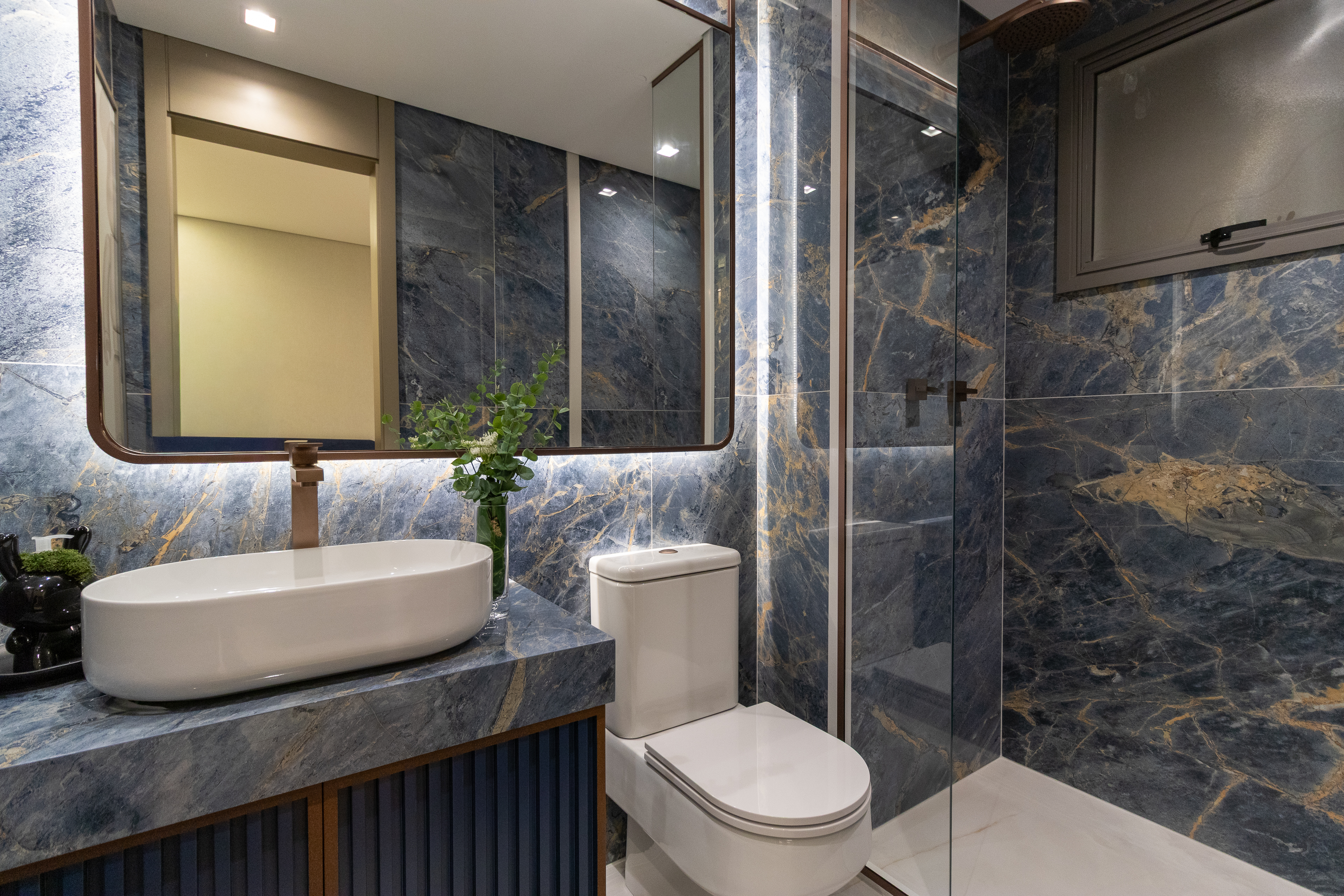
Living room shot with corrected verticals and balanced window light
MLS rules vs. brokerage standard: what is the difference?
One sets the floor, the other sets the look. The MLS decides what a listing photo is allowed to be. Your standard decides what your brand's listing photos look like. Confusing the two produces either listings that comply but look inconsistent, or a beautiful standard that breaks a rule nobody checked. The table compares them generically.
| MLS photo rules | Brokerage photo standard | |
|---|---|---|
| Who writes it | Your MLS or listing site | Your brokerage |
| What it covers | What is allowed in a listing photo | Rooms, count, framing, light, order, files |
| Goal | Accurate, comparable listings | One consistent look across agents and offices |
| Who it applies to | Every member | Every photographer who shoots for you |
| What happens if you miss it | Set by your MLS; check its rules | Listings look like they came from different companies |
| How it reaches the photographer | Rarely, unless you send it | Through the brief attached to every booking |
The last row is the gap. The MLS will not brief your photographer; you have to. At Piperz, we recommend writing both layers into the same brief: the brokerage's standard and the external rules it has to follow.
How do you make every photographer follow the standard?
By sending it with every booking and checking every delivery against it, not against someone's taste. A standard that lives in a PDF on a shared drive depends on each office remembering to forward it. A standard that lives in the brief travels with every shoot automatically. In the Piperz panel, you create and configure mandatory briefs, so every photographer, your own or from the network in Brazil, delivers to the standard you set. The check matters as much as the brief. Without one point of control, each office starts accepting "almost within the standard" to avoid delaying a listing, and the standard dissolves one exception at a time. At Piperz, we recommend reviewing the delivery against the written brief, item by item, before the listing goes live. One boundary stays fixed: the standard covers what is delivered, while the editing style belongs to the photographer. Choose photographers whose style already matches your brand, using the criteria in how to choose a real estate photographer.
How do you keep the standard current across offices?
Give it one owner, a review date and a change log. MLS rules change, listing sites update their policies and the brokerage's own taste moves. A standard nobody owns falls behind all three without anyone noticing. The owner does not need to be a committee; it should be one person at the brand level, with three duties: re-check the source documents on a fixed date, decide exceptions in writing and publish each change with the date it takes effect. In a multi-office brokerage, the Piperz software keeps the standard identical across offices, because the brief is configured once and every office books through the same pipeline. Piperz's consolidated billing comes out by office or cost center, which also gives the owner a per-office view without rebuilding a spreadsheet at month's end. Rolling the standard out to a whole network, office by office and without stalling new listings, is covered in how to bring a brokerage network to one media standard.
Frequently asked questions
Are MLS photo requirements the same everywhere?
No. Photo rules can differ from one MLS to another, and listing sites publish their own policies. The only reliable source is the current document from your MLS and from each site you publish on, which is why we recommend linking those documents inside your brokerage standard.
What is the difference between MLS photo rules and a brokerage photo standard?
The MLS rules say what a listing photo is allowed to contain. The brokerage standard says what your listings look like: the required rooms, the number of photos, the framing, the light, the order of the gallery and the file specifications.
How do you get every photographer to follow the brokerage standard?
Send it with every booking and check every delivery against it. In the Piperz panel, mandatory briefs are configured once and go out with every shoot, so each photographer delivers to the standard you set.
Can a watermark go on listing photos?
Check your MLS's photo rules and each listing site's policy. At Piperz, the clean version is always delivered, because it is the one listing sites accept, and the watermarked version is an optional, separate set for the brokerage's own website and social media.
A written standard turns "good photos" into something every photographer can deliver and every office can check. To see how the Piperz software sends that standard with every booking, talk to us.
Written by the Piperz Editorial Team
__Piperz__ is a platform dedicated to simplifying the secure delivery of real estate media, connecting photographers and helping brokerages and agents sell faster through professional imagery.