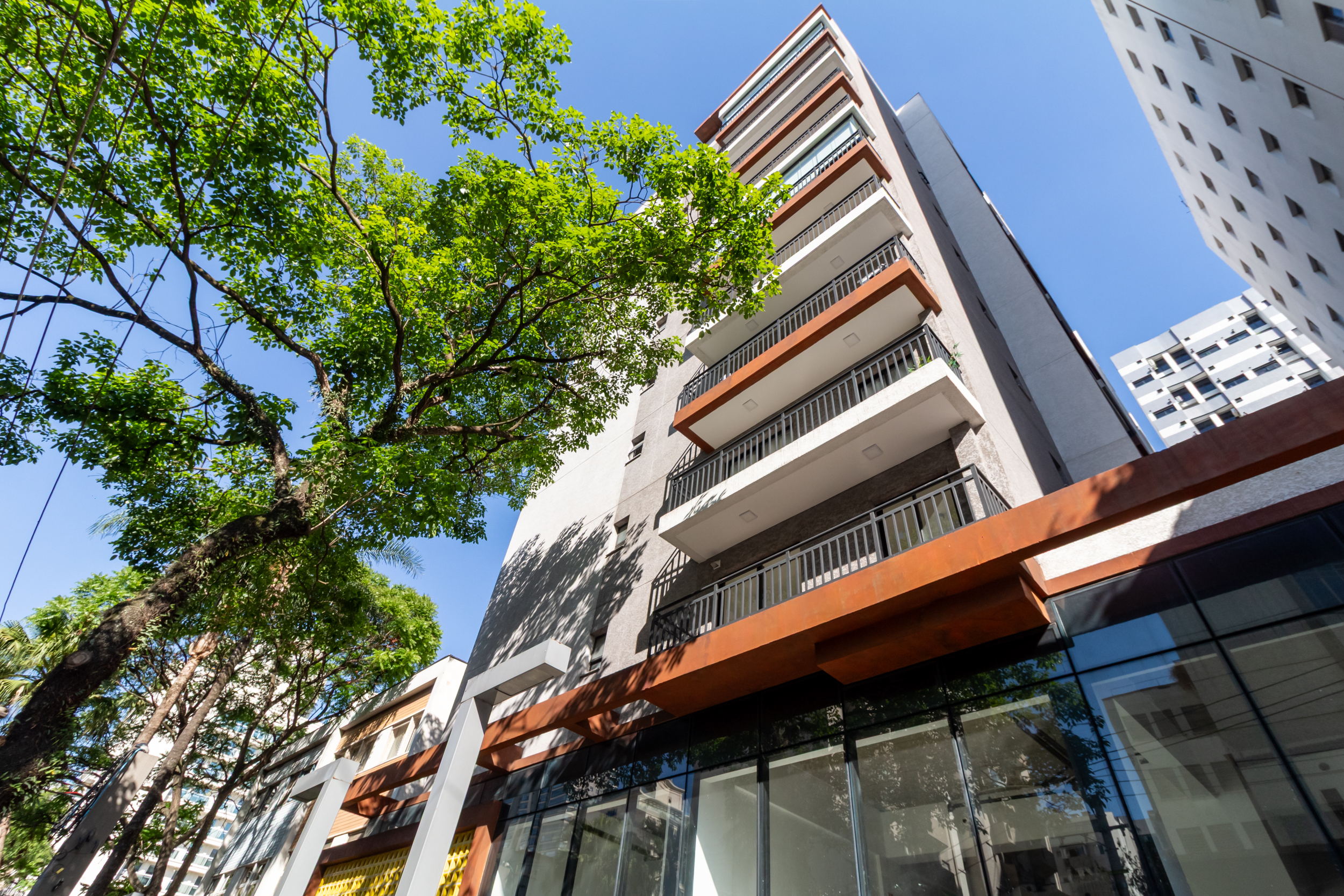
A phone solves a real problem: recording a property today, so the inventory is not sitting still while a shoot gets booked. What it does not solve is the listing that has to compete on a listing portal. That distinction is the starting point of this guide. Below are the techniques that bring a phone photo as close as possible to the professional standard — and the physical limit that no technique crosses.
How do you take decent photos of a property with your phone?
With three technical decisions most people skip. The first is the ultra-wide lens (the phone's 0.5x), which captures as much space as possible in open-plan or small rooms such as bathrooms and kitchens. One warning: keep objects away from the edges of the frame, because that lens distorts precisely there, and the result makes viewers distrust the photo. The second is stabilization: a phone tripod keeps the frame straight, removes hand shake and — most importantly — makes sure every photo of the property is taken from the same height. That consistency is what makes a set look professional even when each individual photo is modest. The third is turning on the native HDR, which captures several exposures in milliseconds and blends them, preserving some of the detail in the interior shadows and in very bright windows. It is the same principle Piperz applies to professional shoots: a standard brief, so that every photo of a property follows the same criteria.
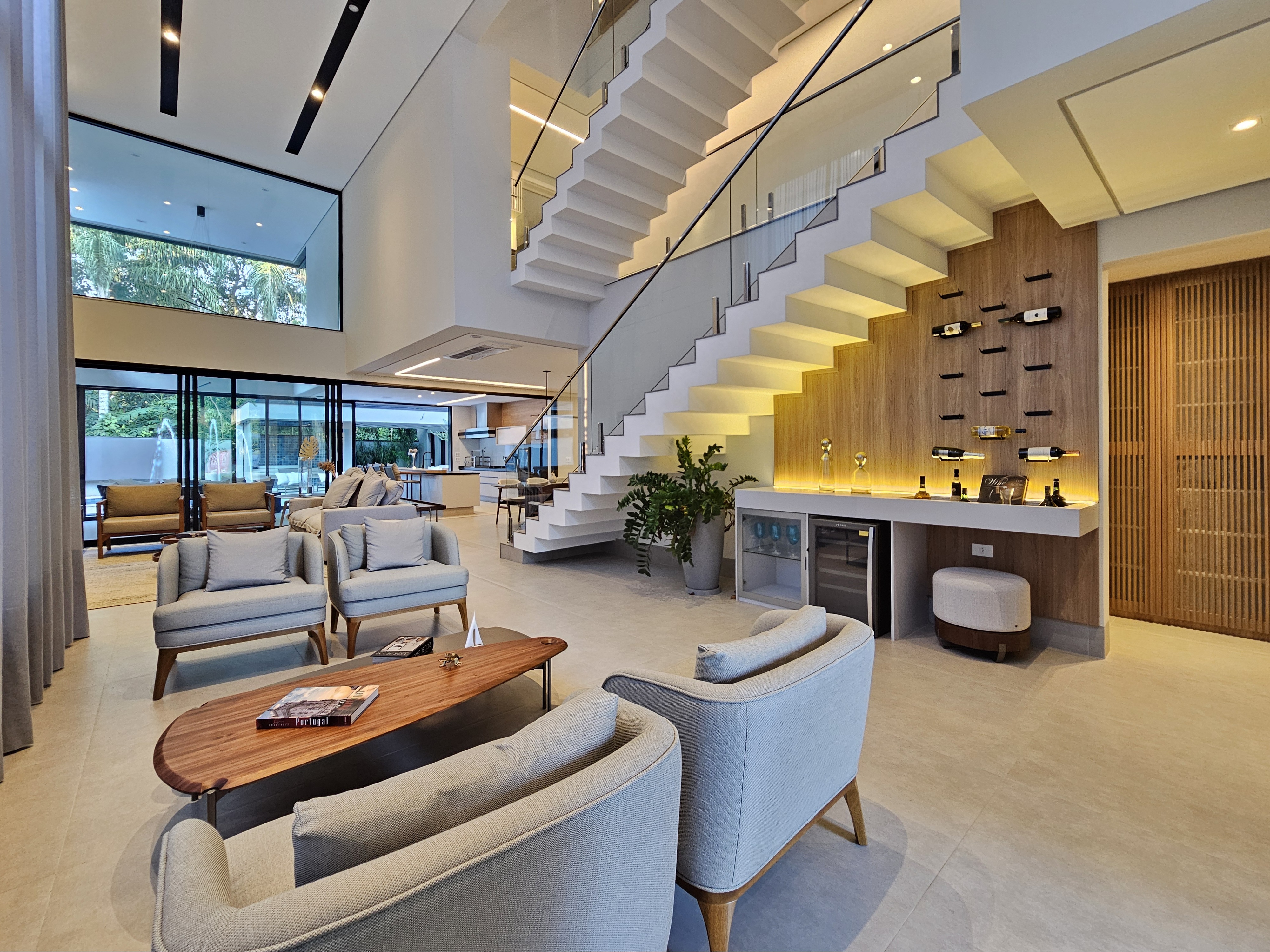
Vertical lines aligned in a kitchen photo
What is the best height and angle?
Chest height for most rooms, and a 45-degree angle from a corner. Perspective decides how size is perceived, and four rules cover almost everything:
- Height. Chest height in general; in living rooms and bedrooms, the eye level of a seated person works well; in kitchens and bathrooms, waist or countertop height. That keeps vertical lines aligned.
- Horizon. Keep the camera parallel to the floor at all times. Any tilt up or down produces walls that seem to fall over, and it is the defect that most gives away an improvised photo.
- Angle. Shoot from the corner of the room, at 45 degrees: that way the floor, the ceiling and at least three walls are visible, and depth reads instantly.
- Preparation. Clear the surfaces, straighten the cushions and remove personal items — portraits, everyday towels, toiletries. Depersonalizing helps buyers picture themselves living there.
The difference from a professional Piperz shoot is the gear: a sturdy tripod and a dedicated wide-angle lens on an APS-C or full-frame camera are requirements for the photographers in its network.
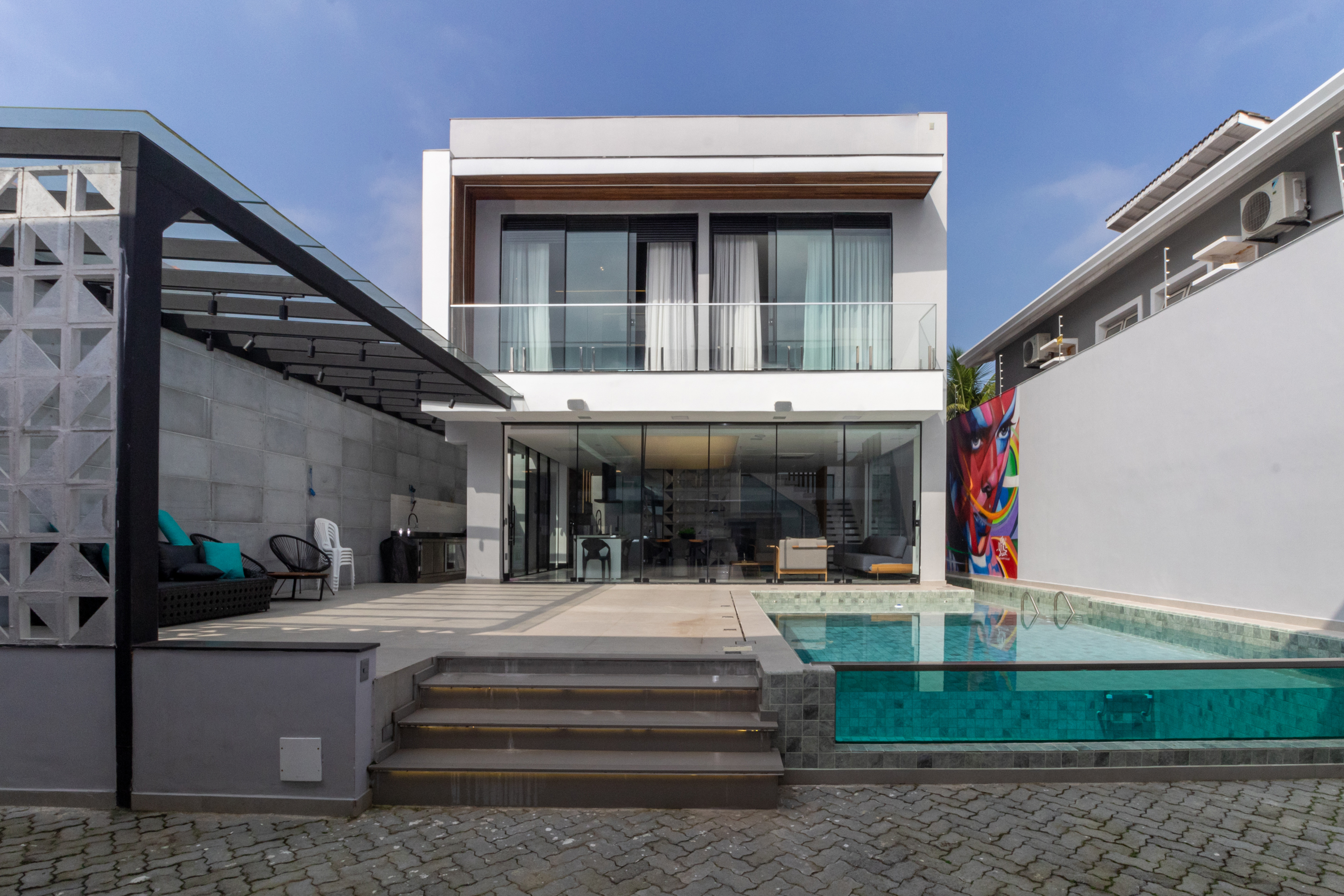
Balanced natural light in a bedroom shot
How do you keep the window from ruining the photo?
By locking exposure manually, because automatic mode always chooses wrong. Direct light into the lens is the central challenge of interior photography, and a phone left to its own judgment exposes for the brightest area and leaves the room black. Three fixes help. Use natural light: open curtains and interior doors, and turn on the room's lights only if you need to fill shadows. Pick the time of day, because the first hour after sunrise and the last hour before sunset deliver soft light that a phone's small sensor handles far better than midday sun. Lock focus and exposure by holding your finger on the transition zone between the bright window and the dark wall, then lower the exposure slider until you find a middle point that shows some of the outside view without darkening the interior. It is the same problem Piperz's network requirements address with a tripod for multiple exposures and an external flash for mixed lighting — something a phone can only imitate. The full treatment, with professional gear, is in how to shoot interiors against window light.
Where does the phone stop and the photographer start?
The limit is physical, and technique does not negotiate it away. A phone's sensor is a fraction of the size of a camera's, and that means less dynamic range — the window blows out sooner — and more noise in dark rooms. Computational HDR hides part of the problem, but it does so by averaging, which is why it leaves halos around window frames and a washed-out look you can spot at a glance. Nor is there any way to bounce a controlled flash to clean up the mix of color temperatures, which is what turns the walls yellow. The practical reading: the phone is for recording quickly, for sorting a portfolio, for showing a client something today. The listing that has to compete on a portal is captured with professional gear. At Piperz, we see phone technique as a way to pull phone photos up toward the professional standard — never as a reason to lower the standard to what a phone can reach. What that standard asks of a photographer is in how to choose a real estate photographer.
Frequently asked questions
How do you make phone photos look professional?
Use the ultra-wide lens, a phone tripod and HDR, shooting from the corner of the room at 45 degrees and at chest height, with the camera parallel to the floor. Consistency matters more than any single photo: a series always taken at the same height reads as professional even when each image is modest.
How do you keep window light from ruining a bedroom photo?
Lock focus and exposure manually on the transition zone between the window and the wall, then lower the exposure slider until you find a middle point. It helps a lot to shoot in the first or last hour of daylight, when the difference between inside and outside is smaller and the phone's sensor can handle it.
What is the best height for photographing rooms with a phone?
Chest height as a general rule; the eye level of a seated person in living rooms and bedrooms; waist or countertop height in kitchens and bathrooms. What never changes is that the camera must stay parallel to the floor: tilting it up or down produces converging walls, the defect that most gives away an improvised photo.
Can phone photos replace a professional photographer?
No, and it is worth being clear about that. The phone is for recording quickly so a property does not sit unpublished while you wait for a shoot. The limit is physical: less dynamic range, more noise and no way to control the light to correct the color. The listing that has to compete for attention on a portal is captured with professional gear, and that difference pays for itself in clicks.
The phone is an ally for turning inventory over quickly, not a substitute for the standard. How that standard holds up as volume grows is on the Piperz software page.
Written by the Piperz Editorial Team
__Piperz__ is a platform dedicated to simplifying the secure delivery of real estate media, connecting photographers and helping brokerages and agents sell faster through professional imagery.