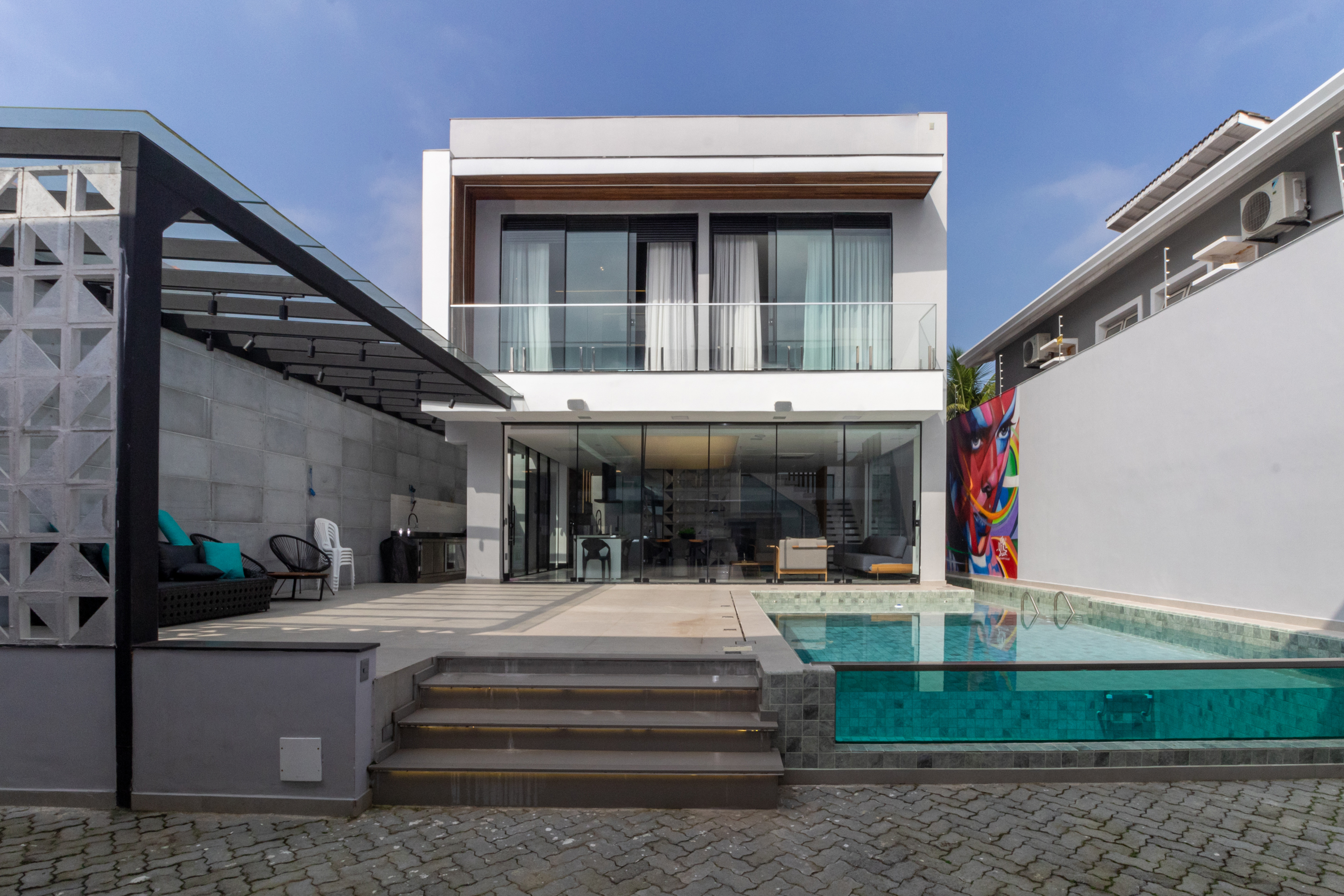
The first impression of a listing almost always comes from the photos. Before reading the description, a buyer or renter looks at the images and decides in a few seconds whether it is worth clicking further. That is why choosing a photographer is not an aesthetic detail: it is a business decision, and it comes down to five concrete criteria — a real estate portfolio, the right gear, turnaround time, editing judgment and availability in your area. Below is what to look for in each one, and how to avoid the hiring mistakes you end up paying for later.
Why do professional photos change how a listing performs?
Because the photo does not illustrate the listing: for the first few seconds, it is the listing. Clear, well-framed images with balanced lighting build more trust than dozens of improvised snapshots. They show what the space can be, highlight the finishes and let people picture the place as their own before they read a single line of copy. The effect shows up at the top of the funnel: more clicks on the same listing, more showings booked, less time to close and a higher perceived value for the property. The reverse effect is just as real, and more expensive than it looks. A dark or crooked photo does not make anyone read the description to compensate — it makes them scroll past, and that loss never shows up in any report, because nobody records the listing that was never opened. At Piperz, we treat this as an operational decision, not a matter of taste.
What should you look for in a real estate photographer's portfolio?
That it is real estate work, not just pretty work. Real estate photography has its own rules, and they do not carry over from portraits or product shots: framing whole rooms, correcting perspective so vertical lines do not lean, handling mixed lighting — window light and artificial light in the same frame — and editing that shows the space at its best without misrepresenting what people will find when they visit. Ask to see past work on houses, apartments and commercial spaces, not a highlight reel of the three best photos of their career. What you are looking for is consistency across different properties. If every shoot looks like it was done by a different person, the problem will show up on your website the week you publish twenty listings in a row. A good test is to ask for the complete set from a single property, not a selection. It is also what Piperz looks at when approving a photographer: a real test shoot, evaluated on framing, verticals, light handling and adherence to the brief.
What gear does a real estate photographer actually need?
A wide-angle lens, a tripod and a controllable light source — a flash or a softbox — are the fundamentals, and their absence shows in the results before it shows in the conversation. The wide-angle lens covers a tight room without forcing the photographer back into the hallway. The tripod allows long exposures that recover the interior without blowing out the window — the full technique is in how to shoot interiors against window light. Controllable light is what keeps the living room from turning orange under the ceiling fixture. That said, gear does not guarantee talent. What it guarantees is that the person takes the work seriously and will not improvise with a phone at a property you worked hard to win. The question worth asking is how they handle difficult situations — strong backlight, a windowless room, an exterior at noon — because that is where gear stops mattering and judgment starts. Piperz's practical test evaluates exactly that — framing, verticals and light handling — not the brand of the equipment.
How long should photo delivery take?
Less than most brokerages accept. At the pace of the real estate market, waiting a week for edited photos can cost you a deal: a property only exists commercially once it is published, and every day between the shoot and the listing going live is inventory sitting still. Check real turnaround for the shoot and for post-production separately, because the bottleneck is almost always the second one. And check it against how the photographer performs at volume, not on the first shoot. Many photographers deliver fast when they have one client and fall apart when they have eight. At Piperz, photo delivery comes as early as the next business day, with 30 to 60 edited photos per property. What that looks like across a whole brokerage is in how to manage real estate photo and video production.
What should you ask about editing?
How they decide how far to go. Good editing fixes exposure, crooked lines and color without making the property look artificial — and the limit is not technical, it is ethical and commercial. A photo that promises what the showing cannot deliver produces a wasted showing and a damaged reputation. Ask whether they deliver images ready for listing portals and social media, in the formats each channel requires, or whether you get a generic file that someone on your team will have to resize. Ask, too, what they do with skies, lawns and empty rooms, because that is where differences in judgment become visible. A photographer who answers those questions with their own criteria, rather than "whatever the client prefers," is the one who will hold the same standard with twenty properties in a week and nobody watching. That is why, at Piperz, every shoot follows a standard written brief instead of leaving that line to each shoot. Which version of the file belongs on each channel is covered in which photo file to use on each channel.
How much does local availability matter?
More than it seems, and you pay for it twice. Having a reliable professional close to the property cuts travel costs and, above all, makes rescheduling possible. When the tenant does not open the door or the building manager does not show up, the difference between moving the shoot to the next day and losing it for two weeks is geography. A local bench of photographers stops being a luxury as soon as your portfolio grows past a handful of properties a month, because from then on the calendar no longer fits together on its own — what the photographer's side of that calendar looks like is in how to organize a real estate photographer's schedule. It is exactly the problem a network solves by design: instead of depending on one person, the operation depends on a covered area, and an absence stops being a crisis and becomes a reassignment. At Piperz, we recommend asking one question before signing: what happens when the photographer gets sick or goes on vacation? The answer says more about the continuity of your listings than any portfolio. How that becomes software is on the Piperz software page.
Frequently asked questions
How many photos should a real estate shoot deliver?
Between 30 and 60 edited images is the usual range for a residential property, and the exact number depends on the square footage and the number of rooms. Coverage matters more than quantity: every room, the exteriors and the details that support the asking price. A shoot of 80 photos with three rooms repeated is worth less than a well-distributed set of 35.
Is it better to hire per shoot or on a monthly volume agreement?
On volume, as soon as your listings become recurring. Hiring shoot by shoot forces you to renegotiate every time, and that negotiation eats sales-team time nobody accounts for. A volume agreement sets the rate, the turnaround and the standard once, and gives the photographer the predictability that makes a lower per-property rate workable without hurting quality.
What happens if the photographer delivers and the result is not usable?
It has to be agreed in writing before the first shoot: what counts as off-standard, how quickly a fix can be requested and who pays if the shoot has to be redone. Without that agreement, every disagreement is negotiated from scratch and ends up settled by attrition. It is the same logic that says your image standard should be written before you hire, not after the first problem.
Is it better to have one regular photographer or a network of photographers?
It depends on volume and geographic spread. One regular photographer works well while your listings are concentrated and volume is predictable. When the operation grows or spreads across areas, that person becomes the limit: they cannot be in two places on the same day or take a vacation without stalling your listings. At that point a network stops being an alternative and becomes the only way to hold your turnaround.
Choosing a real estate photographer goes beyond price: a real estate portfolio, gear, turnaround, editing judgment and local presence decide the outcome. To see what an operation that has already solved those five points looks like, browse our customer cases.
Written by the Piperz Editorial Team
__Piperz__ is a platform dedicated to simplifying the secure delivery of real estate media, connecting photographers and helping brokerages and agents sell faster through professional imagery.