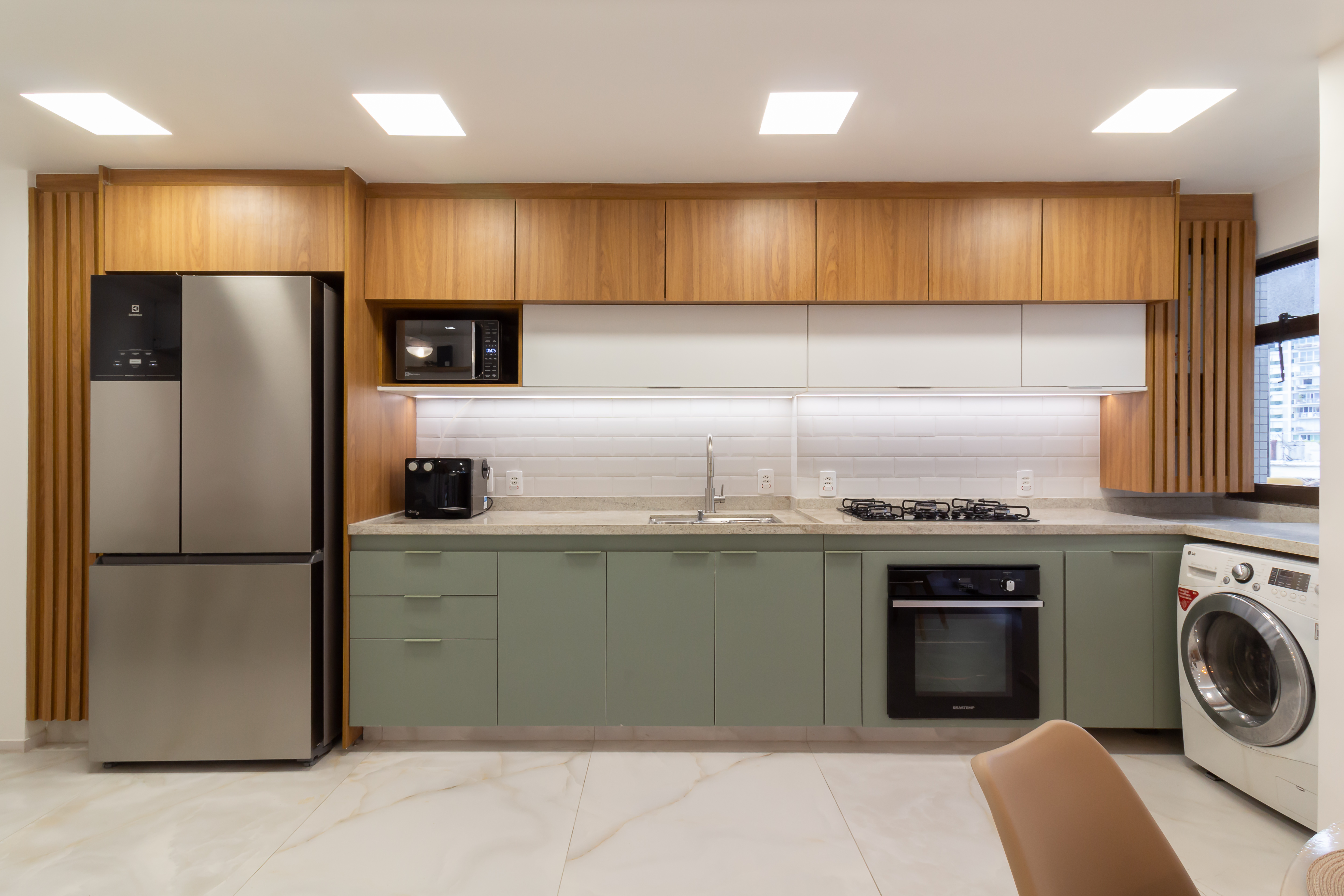
A 3D virtual tour does not exist to show more: it exists to filter earlier. A listing with only still photos attracts the "property tourist" — the person who books an in-person showing just to understand how the rooms connect, and who uses up the agent's and the owner's time with no intention of buying. The tour answers the layout question remotely, so whoever shows up in person arrives already decided. Below: what makes up a tour, what it returns to the operation and why fewer inquiries does not mean fewer sales.
How does a 3D virtual tour help qualify showings?
By answering before the showing the questions that today get answered at the showing. The format rests on three pieces that work together. The first is immersive navigation: the viewer walks through the property digitally on their own, checking finishes, angles and natural light at any hour of the day, with no appointment involved. The second is the dollhouse view, a three-dimensional model of the property without its exterior walls, which makes the volume and the arrangement of the spaces clear at a glance — it is the piece that replaces the explanation the agent repeats on every call. The third is the interactive floor plan, which ties the exact camera position to the technical drawing of the layout. Together, they let expectations line up before anyone gets in a car, and that turns the agent's time on site into closing time instead of explaining time. Piperz treats the tour as part of the media pipeline, not as a standalone piece: it is ordered and delivered on the same platform as the photos.
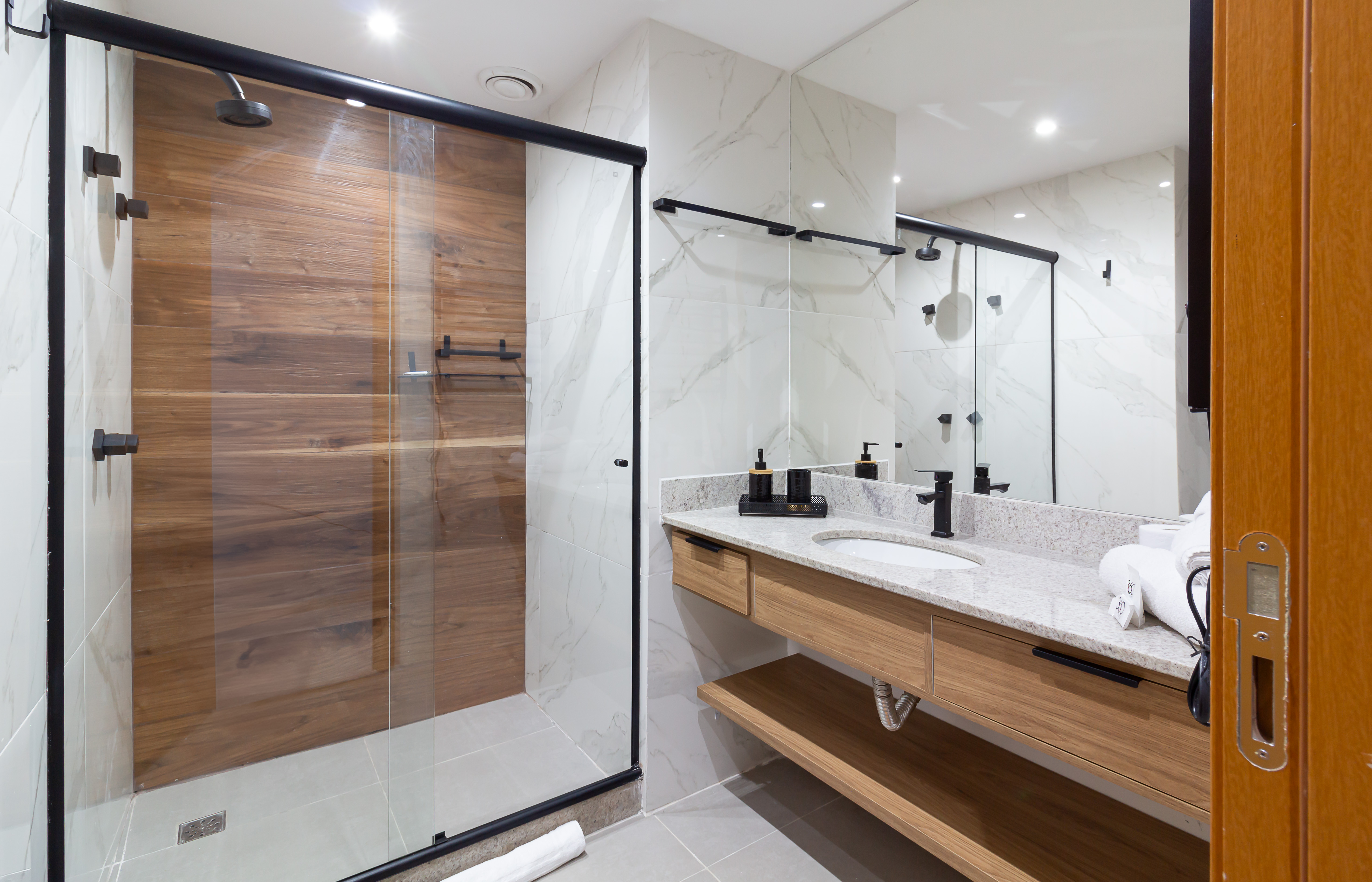
Immersive interface of a high-definition 3D virtual tour
What does a 3D tour return to a brokerage's operation?
Three things, and none of them is aesthetic. The first is an argument when winning the listing: when negotiating with the owner of a mid- or high-value property, the brokerage that arrives with a complete marketing infrastructure — professional photography plus immersive capture — shows technical authority and justifies asking for an exclusive listing, because the owner sees real money going into qualifying demand. The second is protecting the owner's privacy: they stop hosting dozens of visits from people who only wanted to see what the place looked like, and for an occupied home that point weighs more in the listing conversation than it seems. The third is speed: properties with good-quality tours sell faster, because they attract people who are already deep in the consideration stage. At Piperz, the 3D tour is ordered through the same flow as photos and video, and its link is delivered through the same platform. How that piece fits into the rest of the pipeline is in how to manage real estate photo and video production.
Does a 3D tour reduce in-person showings or make them more efficient?
It reduces the raw volume and raises conversion, which is not the same thing. The most common fear among agents and managers is that "showing too much" online will discourage people from booking showings and dry up the funnel. That misreads what is actually being lost: what drops is the number of curious inquiries, not the number of deals. Three concrete effects follow. Fewer cold leads and more offers, because the share of showings that turn into an offer rises when the visitor already knows what they will find. Objections resolved earlier, since the classic questions about columns, bedroom size, hallways or open-plan layouts get answered on screen. And a focus on closing, because when a qualified lead books a showing, the goal is no longer to get to know the property but to confirm the finishes, settle the payment terms and sign. A funnel with fewer entries and more exits is a better funnel, even if the inquiry report says otherwise. At Piperz, we recommend measuring the tour by conversion to offer, not by inquiry volume.

Navigating a 3D virtual tour on a mobile device
Which properties justify a 3D tour, and which do not?
The ones with something to explain — not the ones six photos already explain. A compact studio, with a layout anyone can infer from the floor plan, does not perform differently because it has a tour: the investment does not come back, because there was no ambiguity to resolve. A tour pays off where the layout is hard to picture — irregular spaces, more than one level, unconventional open layouts, large properties — and where a wasted showing is expensive, whether because the home is occupied, because it is far away or because the owner limits showing times. It also pays off when the property is marketed at a distance, to buyers in another city or another country. That is where the alternative to a tour is not a showing: it is no interest at all. The decision, then, is not about marketing budget but about how much ambiguity costs in each specific case. That is why Piperz quotes the 3D tour property by property, based on square footage, instead of setting one price for the whole portfolio.
Frequently asked questions
What is the difference between a 3D virtual tour and a walkthrough video?
You watch a video; you walk a tour. In a video, the path, the pace and what gets shown were decided by the editor, and the viewer accepts that route passively. In a tour, the viewer chooses where to enter, stops wherever they want and goes back to whatever interests them. That is why a tour answers layout questions that a video, however well made, leaves open.
Does a tour reduce the number of inquiries a listing gets?
It reduces the raw volume and raises the quality. Inquiries from people who only wanted to understand what the property looked like go down, and the share of showings that end in an offer goes up. If the metric you watch is the number of leads, the tour seems to make results worse; if you watch conversion to offer or time to sale, it makes them better.
Which properties are not worth a tour?
Those with a simple, predictable layout, where six well-made photos already say everything there is to know. There is no ambiguity to resolve, and the investment does not come back. A tour pays off in irregular spaces, on more than one level, in large properties and, above all, when the buyer is far away and the alternative is not an in-person showing but no interest at all.
What does a tour include besides navigation?
Two pieces that usually decide how useful it is: the dollhouse view, which shows the property without its exterior walls and makes the volume clear at a glance, and the interactive floor plan, which links the camera position to the drawing of the layout. Without those two, the tour is just a sequence of panoramas and loses much of its ability to resolve layout questions.
A funnel with fewer entries and more closings is a better funnel, even if the inquiry report says otherwise. To see how the tour fits into a complete operation, see the Piperz software and our customer cases.
Written by the Piperz Editorial Team
__Piperz__ is a platform dedicated to simplifying the secure delivery of real estate media, connecting photographers and helping brokerages and agents sell faster through professional imagery.