
Managing a brokerage's photo and video production means running a pipeline: every new listing has to go through scheduling, shooting, editing, approval, publishing and archiving — always in the same order, with a deadline and an owner at each stage. While that flow lives in a spreadsheet, a group chat and a few cloud folders, every stage depends on someone remembering to chase the previous one. Past a certain volume — in practice, 20 to 30 properties a month — managing it by hand starts to cost more hours than the production itself. This article covers what makes up the media pipeline, where it gets stuck, when to professionalize it and what changes with a dedicated platform.
What is a brokerage's media pipeline?
It is the full path a property's photos and video travel between signing the listing agreement and the listing going live — and after that. A typical pipeline has six stages: scheduling (finding an available photographer, arranging access), shooting (the shoot itself, around an hour per property), editing (processing the 30 to 60 photos and the video), approval (checking the work against the brand standard), publishing (listing portals, CRM and social media, each with its own format) and archiving (keeping the originals so they can be reused on a future deal). The key idea is that the pipeline is a continuous process, not an event. An active brokerage produces photos and video every week, and each new property joins a queue competing for the same photographers, editors and approvers. If you treat every shoot as a one-off project, you pay the full coordination cost every time; if you treat it as a pipeline, you pay it once and reuse the flow. That is the difference Piperz turns into software.
What are the most common bottlenecks?
Five show up in almost every operation that grows without a process:
- Hand-built scheduling — finding an available photographer in the right area, by phone, for every property. It is bottleneck number one: it burns hours of the sales team's time and delays the start of everything.
- Scattered delivery — photos arriving by text message, file-transfer links and email, with no final version. The team publishes the wrong photo, loses the original and redoes work.
- Approval without criteria — without a written standard, each manager approves things their own way and the quality of your listings swings.
- Repeated manual publishing — the same shoot gets resized and uploaded three or four times: listing portal, CRM, your own website and social media.
- No archive — the property comes back on the market two years later and nobody can find the original photos, so you pay for a new shoot out of pure disorganization.
The symptom they share: the time between "listing signed" and "listing live" stretches from days to weeks, and nobody can say which stage each property is in. That is exactly the metric Piperz puts at the center of a media operation.
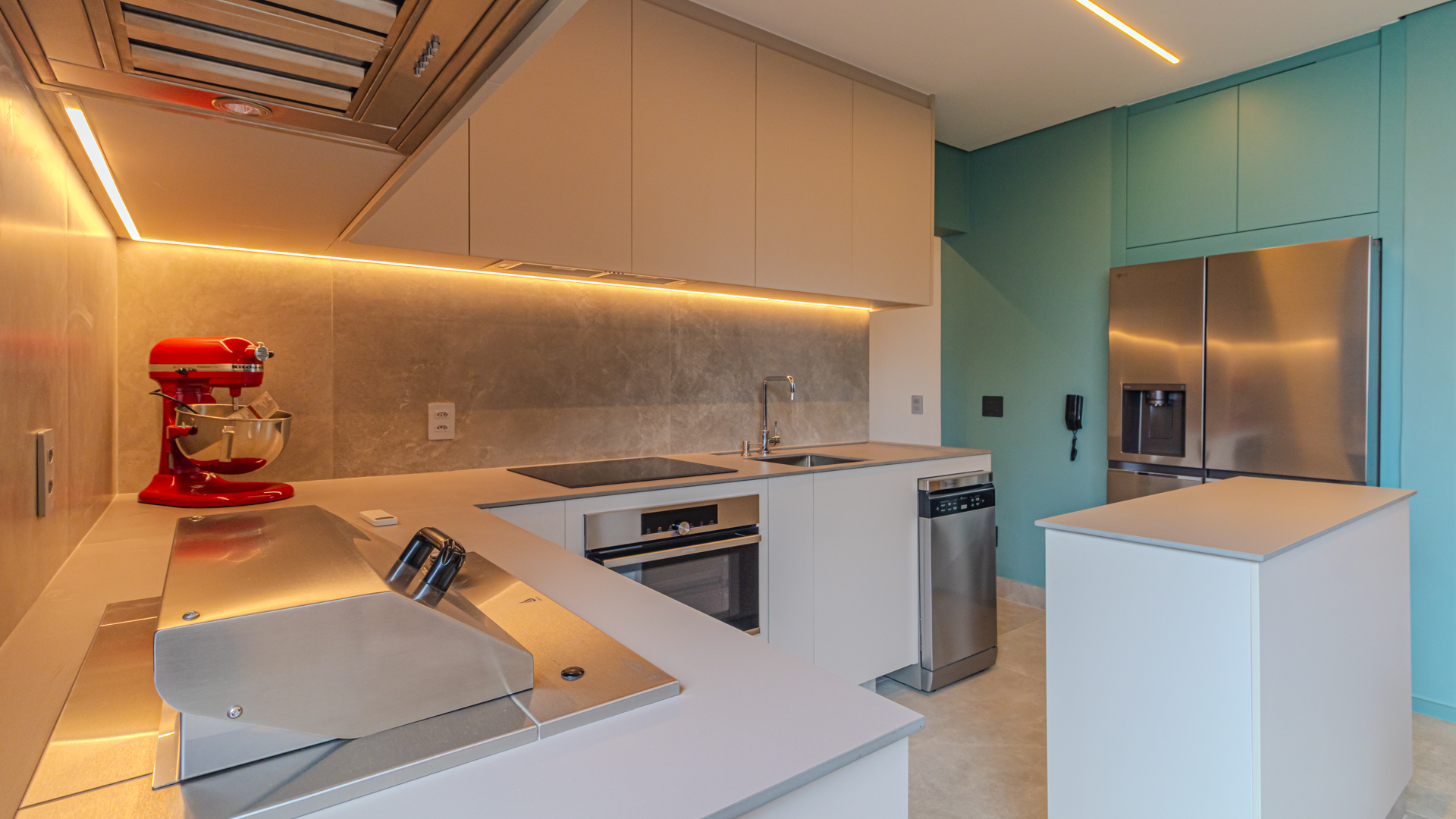
Interior room photographed by a professional real estate photographer
Is a spreadsheet enough? When should you professionalize?
Up to a certain volume — and the limit is lower than it looks. With up to 10 or 15 properties a month, a disciplined spreadsheet and a group chat work: the volume lets one person carry the process in their head. From 20 to 30 a month, the signs of saturation appear one after another: shoots booked without confirmed access, photos published without approval, vendor invoices forgotten, the wrong version on the listing portal. The objective test for professionalizing is not the size of the brokerage. It is three questions. Can someone say, right now, which stage every property is in? Can you find the original files from a shoot two years ago in under five minutes? Do you know last month's total media cost without opening three vendors' invoices? Two "no" answers mean the operation is already paying the price of manual management — in staff hours and in delayed listings. Piperz starts every rollout at a new operation with a diagnosis: who decides, who schedules and who pays for media today.
How does a media management platform work?
It turns the six stages into a single flow, with visible status and automation at every handoff. In the design of the Piperz software, it works like this: scheduling activates the network of approved photographers in the area — or the brokerage's own photographers, because both models coexist on the same platform; the standard brief travels with the shoot automatically; delivery lands directly in the platform instead of in a group chat; approval happens against the standard, with trackable revision requests; and publishing delivers the files in each channel's format, with a native CRM integration. Billing is consolidated — a single invoice instead of a separate arrangement with each photographer — and every shoot feeds the brokerage's permanent archive. It is the same infrastructure that runs the Piperz network, which today produces photos and video for more than 3,000 properties a month with more than 850 photographers in Brazil. The fields that reach your own systems are documented in the Piperz API.
What changes with centralized watermarking and archiving?
You gain control over the most-copied asset in real estate: the listing photo. Automatic watermarking applies the brokerage's branding to every published image without depending on an editor. That protects the listing against copying and gives you traceability when the image circulates outside official channels. The centralized archive solves the reuse problem: a property that comes back on the market already has its original shoot on file, searchable by address, and the brokerage decides whether to reuse it or refresh it, instead of paying for a new shoot because nobody could find the old one. Together, the two features change what media is for the business: from a recurring cost per listing to an asset the operation accumulates. At Piperz, watermarking is optional and switched on once; the clean version for listing portals always goes out. How each version of the file reaches its destination is covered in which photo file to use on each channel.
How much time does the operation save?
The gain comes from removing coordination tasks, which never show up on an invoice but dominate the routine. As a planning reference: hand-built scheduling takes 30 minutes to an hour of back-and-forth per property. In an operation handling 30 properties a month, that already adds up to 15 to 30 hours a month just to book shoots. Add managing delivery (chasing files, checking versions), republishing by hand on every channel and settling up vendor by vendor. With an automated pipeline, those hours go back to selling, and one metric sums up the gain: days between signing the listing and the listing going live. With photo delivery as early as the next business day and approval in a single flow, that interval drops to two or three days. That is the benchmark Piperz uses to judge whether a brokerage's pipeline is working. On the hiring side, the same metric starts with how you choose a real estate photographer.
Frequently asked questions
What is a brokerage's media pipeline?
It is the continuous flow that each property's photos and video go through: scheduling, shooting, editing, approval, publishing and archiving. Treating those six stages as a single process, with a deadline and an owner for each stage, is what separates a managed media operation from a string of last-minute emergencies.
When should a brokerage replace the spreadsheet with a platform?
In practice, from 20 to 30 properties a month — or sooner, if the operation can no longer tell which stage each property is in, cannot find old shoots in minutes or does not know its total media cost without adding up invoices from several vendors. The size of the brokerage matters less than those three answers.
Does the platform work with the brokerage's own photographers?
Yes. Piperz accepts both models in the same pipeline: the brokerage's own photographers and the network of approved photographers. The brokerage can combine them by area and volume, which is the most common setup for networks with offices in different cities.
Which metric shows whether media management is working?
The time between signing the listing and the listing going live. With an automated pipeline, photo delivery as early as the next business day and approval in a single flow, that interval should sit at two or three days — and stay stable even as volume grows, which is the real proof that the process scales.
A well-run media pipeline does not move faster because someone runs harder: it moves faster because nobody has to remember anything. To see what that looks like in real operations, browse the brokerages already working this way.
Written by the Piperz Editorial Team
__Piperz__ is a platform dedicated to simplifying the secure delivery of real estate media, connecting photographers and helping brokerages and agents sell faster through professional imagery.