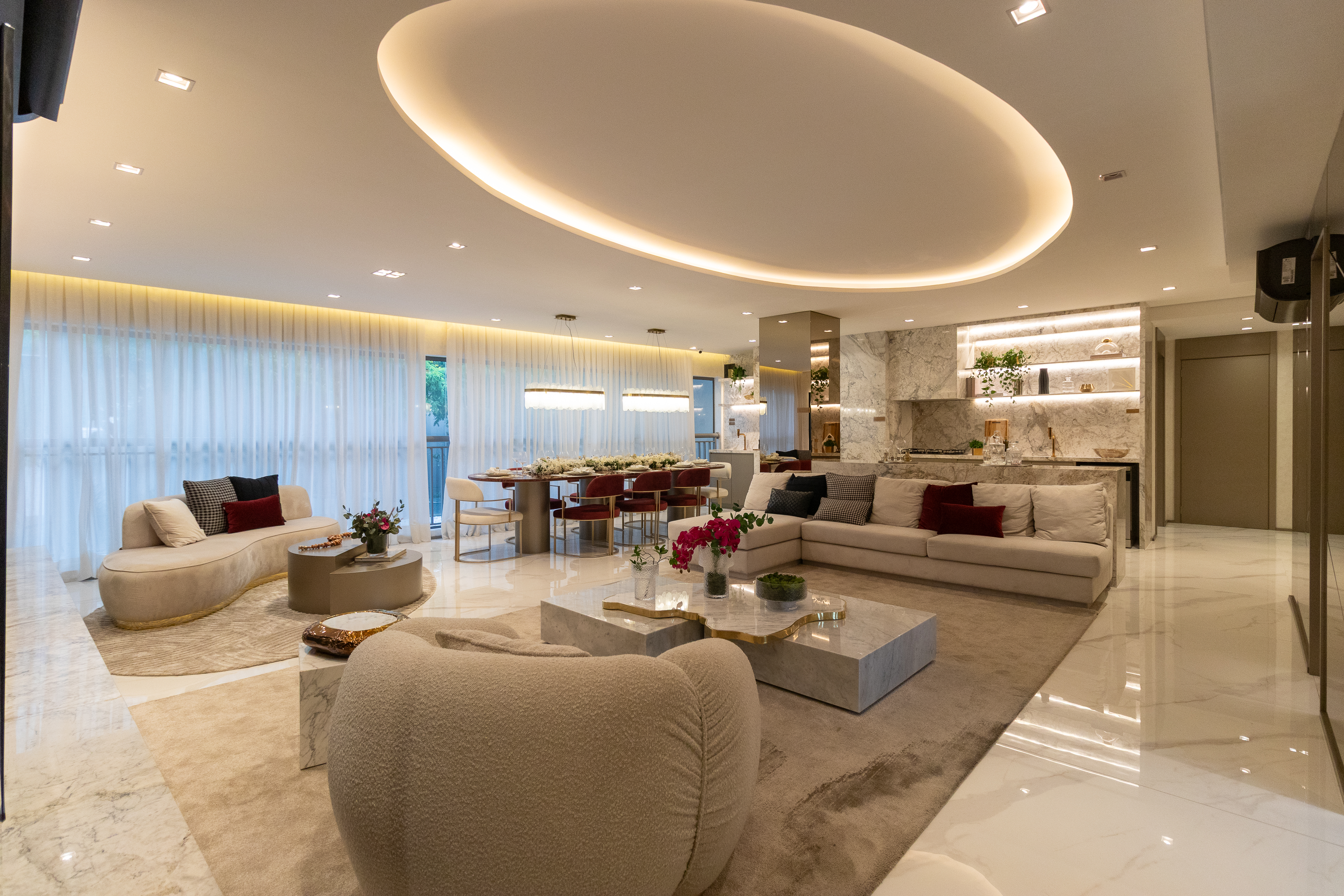
The word flambient is a blend of flash and ambient: you capture the same frame under different light conditions and later combine the best of each exposure in editing. It solves the two problems that most often ruin an interior photo — the color cast produced by mixing window light with lamp light, and the blown-out window that erases everything outside. Below: what sets it apart from automatic HDR, the gear it requires, the three frames in the field and the editing workflow. If backlight is your main challenge, start with how to shoot interiors against window light.
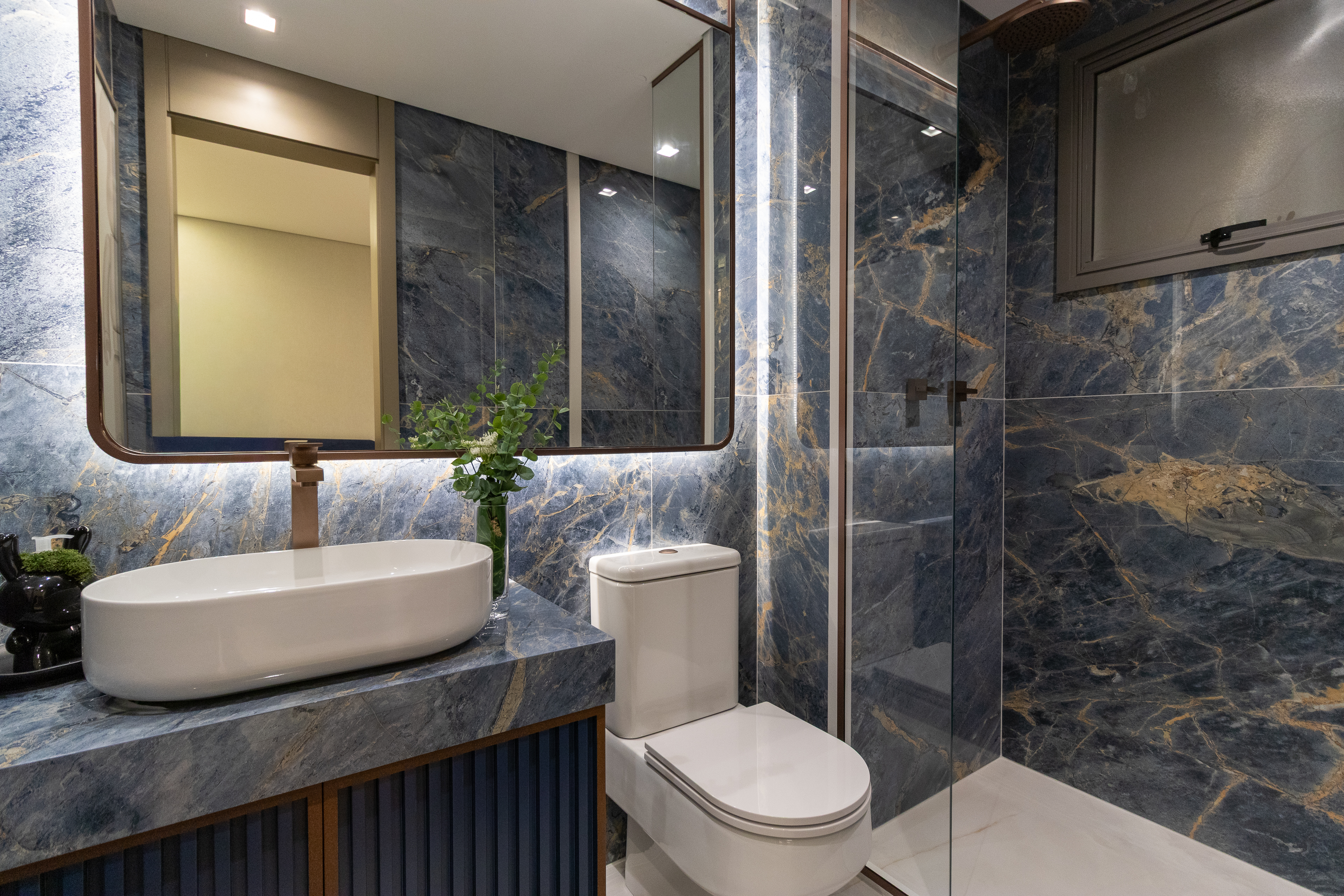
Flambient interior with true color and balanced light
What is the flambient technique, and what does it solve?
It solves a physical problem no camera fixes on its own: inside a room, at least two color temperatures coexist — the natural light coming through the window (cool) and the light from the ceiling fixtures (warm). The camera picks one white balance and condemns the other, and the result is walls that come out yellow, sofas that change color and ceilings with orange patches: the color cast. Fill flash comes in to clean up that mix. It delivers pure whites and true tones, while the ambient exposure contributes the three-dimensionality and softness of the room's own light. The result combines two things that usually exclude each other: faithful color and natural volume. The requirements for Piperz's photographer network include an external TTL flash for exactly this kind of mixed lighting, and with good reason: the error flambient corrects is the one that most undermines a viewer's trust in a listing.
Why not just use automatic HDR?
Because HDR does not decide; it averages. Automatic processing tries to brighten shadows and darken highlights indiscriminately, without knowing which part of the scene matters. That produces three defects you can see at a glance: grayish halos around furniture, windows and light fixtures; "washed-out" images that lose depth and natural shading and end up looking lifeless; and artificial or oversaturated colors that push buyers away, because they read as fake before anyone can explain why. Flambient is preferable because it keeps creative control over the lighting: the photographer decides where to bring in the flash's color and where to keep the ambient shadow, instead of accepting the average an algorithm calculated. The cost of that decision is time, which is why choosing between the two techniques is an economic choice before it is an aesthetic one. In Piperz's comparison, that cost pays off for high-end and luxury properties, while bracketing covers mid-range properties and tight deadlines.
| Criterion | Single shot | Automatic HDR | Flambient technique |
|---|---|---|---|
| Color fidelity | Low (suffers from color casts) | Medium (may oversaturate or distort) | Excellent (neutralizes color casts) |
| Window recovery | Almost none (windows blow out) | Medium/high, but with visible halos | Excellent, with a precise window pull |
| Capture time | Minimal (one photo) | Fast (3 to 5 automatic frames) | Moderate (requires a tripod and flash setup) |
| Editing time | Low | Low (automatic) | Moderate (requires masks) |
| Perceived quality | Low | Medium (artificial) | Very high |
What gear do you need to shoot flambient?
Five pieces, and none of them is optional if the goal is a consistent result. A full-frame camera, which offers more dynamic range and better performance at low ISO, making it possible to recover detail in deep shadows. A 16–24mm wide-angle lens, the standard for interiors, which frames whole rooms without distorting the edges — how to pick one is in best lenses for real estate photography. A sturdy tripod, because the technique requires stacking exposures with pixel precision, and any small shift ruins the alignment. A remote shutter release or the two-second self-timer, so your finger does not shake the camera. And a powerful external flash, fired off-camera with a radio trigger and a diffuser, because a direct flash from the lens axis produces exactly the loss of depth you are trying to avoid. Of that kit, Piperz requires the photographers in its network to have an APS-C or full-frame camera, a wide-angle lens (such as 10–18mm on APS-C or 16–35mm on full frame), a sturdy tripod and an external TTL flash for flambient. What else to check before hiring is in how to choose a real estate photographer.
What are the three frames in the field?
Three, always in the same order and without moving anything between them. The camera stays locked on the tripod, with focus and exposure fixed in manual mode:
- Ambient frame. It records only the natural or existing light in the space and is the base of the final image. Expose so the interior has natural brightness and soft shadows, accepting that the windows will blow out.
- Flash frame. Fire the external flash aimed at the ceiling or at the wall behind the camera, bouncing the light. That fill neutralizes the color cast and pins down the true color of sofas, floors and walls. The interior exposure comes out balanced and clean.
- Window pull. Expose specifically for the view outside; the interior will be very dark. A field trick: aiming the flash directly at the window frame for this shot creates strong edge contrast that makes the selection much easier in editing.
That fixed order is what makes the result repeatable from one shoot to the next. It is also what Piperz looks at when approving a photographer: a real test shoot, evaluated on framing, verticals, light handling and adherence to the brief.
How do you edit a flambient photo?
By combining exposures with masks, not sliders. The workflow, in order:
- Import and align. The three frames go in as layers in a single project, and you run auto-align, which fixes the millimeter shifts the tripod did not prevent.
- Stack. The ambient frame at the bottom; the flash frame right above it.
- Blend with a mask. Put a black mask on the flash layer and use a white brush at 20% to 30% opacity, painting gently over the areas where you want the flash's color fidelity: yellowish ceilings, wood that has drifted off-tone. That keeps the softness and shadows of the ambient frame and cleans up only the color contamination.
- Blend modes. To correct color without changing brightness, duplicate the flash layer and set its blend mode to Color or Luminosity, applying it to the critical areas.
- Recover the window. The window pull goes on top of the stack with a black mask; paint white over the glass to reveal the correctly exposed view outside.
At Piperz, we recommend this workflow for high-end and luxury interiors, where flambient earns its editing time. The editing itself stays with the partner photographer, who keeps their own editing style.
Frequently asked questions
What is the main difference between flambient and HDR?
Who decides. HDR averages several exposures with an algorithm that does not know which part of the scene matters, which is why it produces halos and lifeless images. Flambient combines exposures with hand-painted masks: the photographer chooses where to bring in the clean color of the flash and where to keep the natural shadow of the room. It takes more editing time and delivers a result that does not look processed.
Can you use flambient in bathrooms or very small rooms?
Yes, and that is actually where it shows most. In a bathroom, the light mix is worse than in any other room — a warm ceiling fixture, a small window, tiles that bounce everything — and bounced flash cleans up that contamination in a way no global correction can. The extra care is not to bounce off a colored wall, because the bounce carries that color into the whole scene.
How much time does flambient add to a shoot?
In the field, little: three frames instead of one, with the camera already locked down. The real cost is in editing, which goes from minutes to considerably more per room. That is why the technique is reserved for the properties where perceived quality changes the commercial result, and is not applied indiscriminately across the whole portfolio — that is an operational decision, not a matter of taste.
Can you shoot flambient without a tripod?
Not reliably. The technique depends on the three exposures lining up with pixel precision, and auto-align corrects millimeters, not centimeters. Without a tripod, furniture edges get ghosting and the masks stop matching. If you can make only one investment to start, a tripod pays off more than a better flash.
Flambient is not a filter: it is a decision about who controls the light in the photo. How that standard holds as volume grows is on the Piperz software page, and what it looks like from the client side is in our customer cases.
Written by the Piperz Editorial Team
__Piperz__ is a platform dedicated to simplifying the secure delivery of real estate media, connecting photographers and helping brokerages and agents sell faster through professional imagery.